Omaha just took one of the biggest steps in its modern development history. On February 4, 2026, the Omaha Planning Board unanimously approved the Tax Increment Financing plan for a professional soccer stadium and mixed-use entertainment district in north downtown Omaha. The total projected investment exceeds $316 million, and it's set to reshape the north end of downtown — including how we think about home values, new construction, and residential development across the entire metro.
The Omaha Planning Board approved a $48.2 million TIF plan for a 25-acre development on former Union Pacific rail yard land north of Abbott Drive. The project includes a 6,500-seat professional soccer stadium for Union Omaha (two-time USL League One champions), roughly 500 residential units, 39,000 square feet of ground-floor retail and restaurants, and a pedestrian promenade connecting to the Millwork Commons district. Construction is targeted to begin fall 2026, with the stadium opening for the 2028 soccer season. The city will own the land and stadium, leasing the stadium to Downtown Soccer Stadium Inc. The city recently approved a $18.7 million purchase agreement with Union Pacific to acquire the site.
If you own a home anywhere in the Omaha metro — whether you're in Elkhorn, Papillion, Bellevue, or Omaha proper — a project of this magnitude has ripple effects that reach well beyond the stadium footprint. Major mixed-use developments with entertainment anchors consistently drive surrounding home values upward. When hundreds of new residents move into 500 planned apartments, and when thousands of fans visit for soccer matches, the demand for housing, services, and retail in surrounding neighborhoods climbs with it. That's the story in every city where stadium-anchored districts have been built — from Nashville's Germantown to Columbus's Arena District. For homeowners considering home additions or basement finishing projects, this kind of regional investment is the backdrop that makes those improvements pencil out even better long term.
The development team is significant. Hines has been selected as the development lead, with HOK as the primary stadium architect. RDG Planning & Design is handling landscape architecture, and JLL's Sports & Entertainment practice group is advising on the mixed-use district. Union Omaha is led by General Manager Alexis Boulos and co-owner Gary Green, CEO of Alliance Sports. Larry Botel of Alliance Sports has stated he anticipates up to $400 million in total development value across the 20-acre site. On the city side, Deputy City Attorney Jennifer Taylor has been managing the land acquisition, and Marco Floriani from the Mayor's Office presented to the Planning Board. The USL League One is also watching closely — the stadium timeline coincides with the league's planned promotion and relegation changes in 2028, which could allow Union Omaha to move up to a higher division.
The financing structure is layered. The city plans to issue approximately $120 million in bonds over 2-3 years, repaid through six revenue streams: TIF revenues, naming rights, parking revenues, ticket surcharges, and lease payments. The $48.2 million TIF request was unanimously approved by the Planning Board and now moves to City Council. The stadium itself is estimated at $125 million, which includes $12 million in public infrastructure improvements. Separately, Union Omaha is pursuing state turnback tax funding through the Sports Arena Facility Financing Assistance Act (SAFFAA), which could provide up to $25 million over 20 years. The site is currently in a 90-day due diligence period for the city's acquisition from Union Pacific.
Phase 2 of the project focuses on approximately 7 acres of mixed-use development south of the stadium. Plans call for nearly 500 residential units in buildings with ground-floor commercial space — roughly 39,000 square feet of retail, restaurants, and entertainment venues. These spaces will be oriented along a pedestrian promenade that extends from a future Millwork Avenue connection directly to the stadium. The development will connect to the growing Millwork Commons district and the Hot Shops Art Center, creating a walkable corridor that didn't exist before. The city is also building a connector where 10th and 11th Streets cross over Abbott Drive — a critical piece of infrastructure linking the stadium district to the rest of downtown.
The site has an industrial history dating to the 1890s when it served as a Union Pacific railroad yard. Environmental investigations are ongoing, and EPA restrictions prevent ground-floor residential uses and grass playing fields on the site. That's why all residential units are designed above first-floor retail and parking levels, and the stadium field will use synthetic turf. The development team has designed around these restrictions rather than fighting them — an approach that actually creates a more urban, walkable ground plane with active retail frontage.
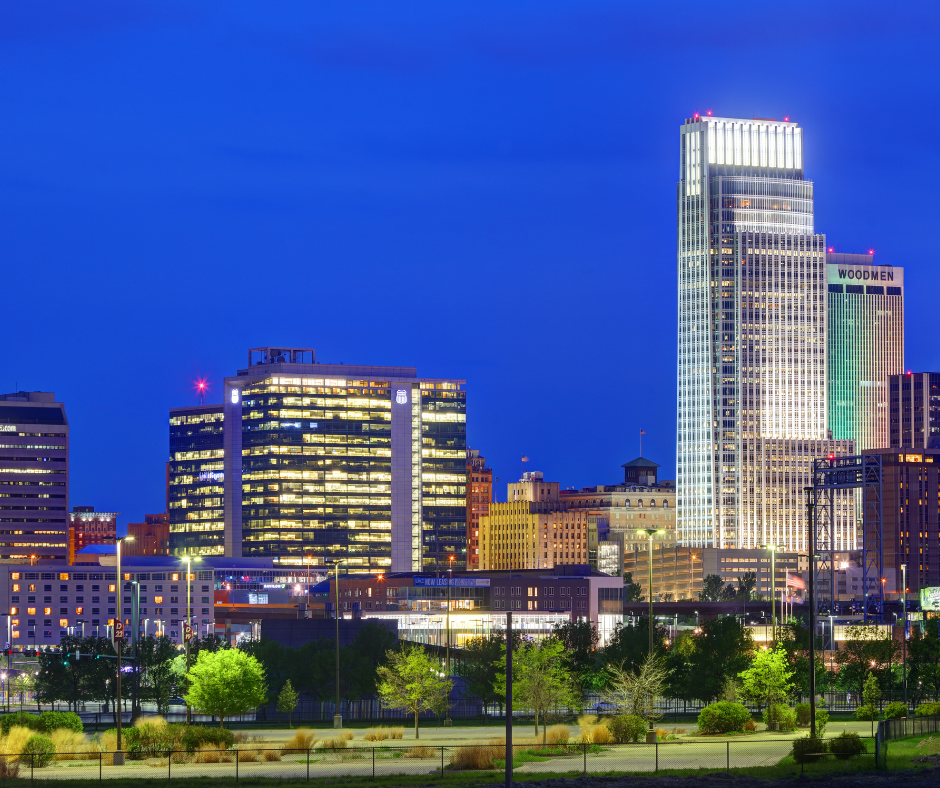
Omaha is experiencing a building surge on multiple fronts. Between this stadium district, the Mutual of Omaha skyscraper nearing its final height of 677 feet at 14th and Farnam, and dozens of new construction neighborhoods expanding in every direction, the metro's growth trajectory is clear. If you're considering building a custom home in Omaha, or you're exploring new construction developments coming to Omaha in 2026, the broader economic momentum behind projects like this is exactly the kind of foundation that makes long-term real estate investment in the Omaha metro a strong bet. At Davis Contracting, we're watching these developments closely because they directly affect the communities where we build custom homes and complete basement finishing projects every day.
The Omaha Parliament — Union Omaha's official supporters group, a 501(c)(3) organization with over 550 members spanning 48 area codes — testified passionately in favor of the project at the Planning Board hearing. Hunter Fangmire, President of the Omaha Parliament, emphasized the community energy the club has already built and what a permanent downtown home would mean for fan culture and city identity. The Planning Board voted 6-0 in favor, with Chairman Michael Pate, Vice Chair Patrick Moore, and members John Sullivan, David Rossacker, Chris Rupert, and Jorge Sadat Alongo all voting yes.
The TIF application now moves to the Omaha City Council for review and final approval. The development agreement between the city and Downtown Soccer Stadium Inc. is still being finalized — that agreement is a prerequisite for issuing bonds. Union Omaha will play the 2026 season at Creighton University's Morrison Stadium while construction progresses. If everything stays on track, expect groundbreaking in fall 2026 and soccer in the new stadium by the 2028 season. For more on where Omaha is building and what it means for the housing market, check out our breakdown of the best new construction neighborhoods near Omaha.