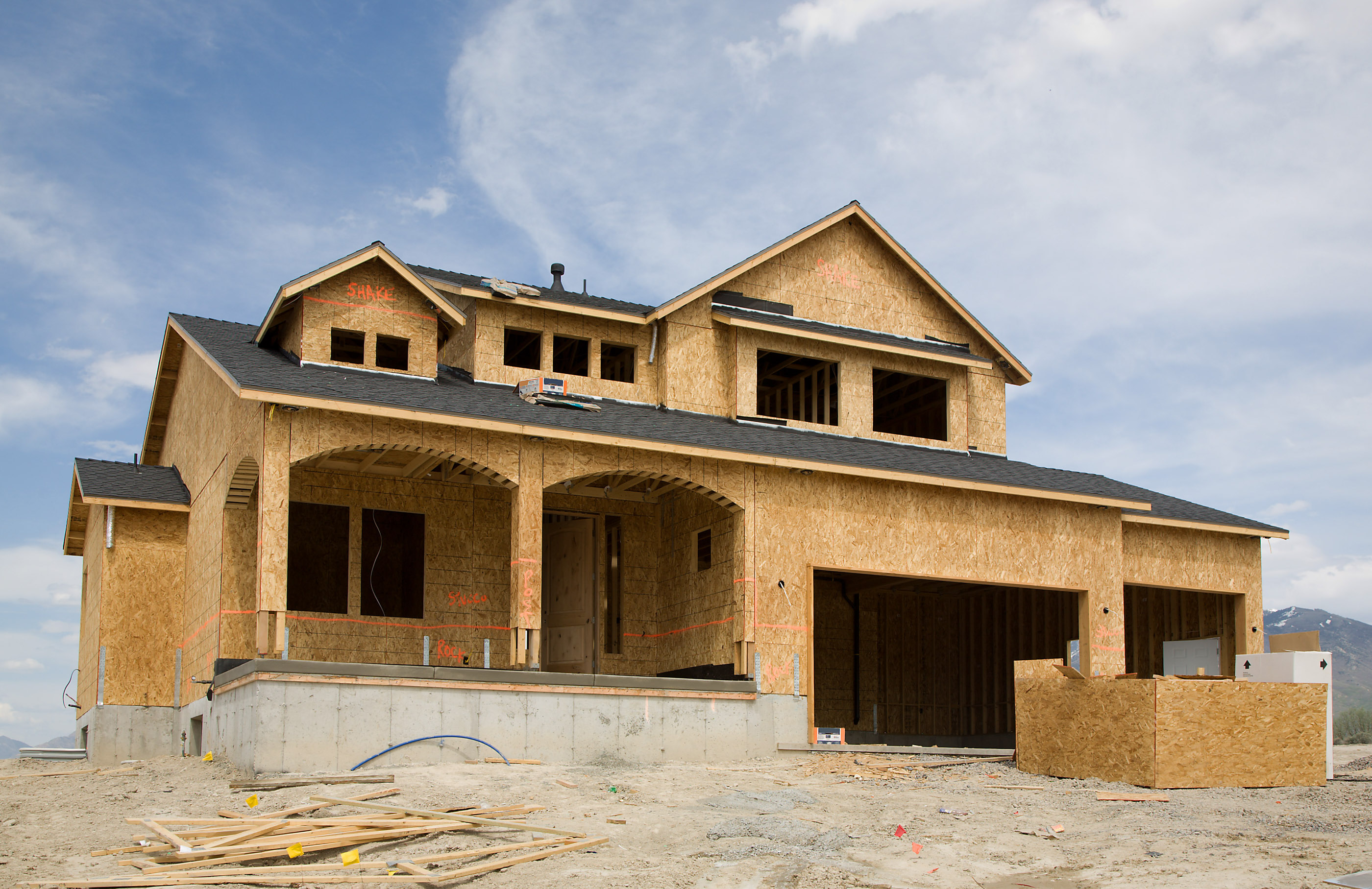
You've decided to build a custom home in the Omaha area. You've got your budget figured out, you've talked to builders, and now you're looking at lots. You pull up on a beautiful piece of land, the price is right, and you're ready to make an offer.
Stop.
The lot you choose will impact your construction costs, your home's long-term performance, your daily quality of life, and your resale value more than almost any other decision you'll make. Most buyers focus on price and location—and completely miss the technical factors that will either save or cost them tens of thousands of dollars during construction.
After building custom homes across Elkhorn, Papillion, Bellevue, Bennington, and throughout the Omaha metro, we've seen buyers make the same expensive mistakes over and over. This guide shows you what to look for—and what to run from—when selecting your custom home lot.
Why Lot Selection Matters More Than You Think
Here's what most buyers don't realize: the cheapest lot almost always becomes the most expensive build.
That $75,000 lot that's $30,000 cheaper than comparable lots in the same neighborhood? There's a reason. Maybe it's the soil. Maybe it's the drainage. Maybe it's the setback restrictions that limit your buildable area. Maybe it's the utility hookup costs that weren't included.
We've seen buyers "save" $25,000 on a lot and then spend $40,000 extra on:
- Soil remediation and engineered fill
- Retaining walls for drainage issues
- Upgraded foundations for poor bearing capacity
- Tree removal that wasn't disclosed
- Utility extensions that weren't stubbed to the lot
- Grading work to manage water flow
The Smart Approach: Choose your lot with your builder's input. At Davis Contracting, we walk potential clients through lot evaluation before they purchase. A $2,500 geotechnical survey and site analysis before you buy can save you $50,000 in construction costs.
Critical Factor #1: Soil Conditions (The Invisible Cost Driver)
Nebraska's expansive clay soil is not your friend. If you ignore soil conditions during lot selection, you'll pay for it during foundation construction.
Understanding Nebraska Clay Soil
Omaha sits on some of the most challenging soil for residential construction in the Midwest:
Expansive Clay Characteristics:
- Swells significantly when wet (up to 10% volume increase)
- Shrinks dramatically when dry
- Creates massive pressure on foundations
- Requires specialized engineering approaches
- Adds thousands to foundation costs
Why This Matters: A home built on poor clay without proper foundation design will experience:
- Foundation movement and cracking
- Doors and windows that stick
- Drywall cracks throughout the home
- Basement water infiltration
- Structural damage over time
For detailed information on how Nebraska clay impacts construction, read our article on Nebraska clay soil and custom home foundations.
The Geotechnical Survey: Non-Negotiable
Before you buy any lot, pay for a geotechnical survey ($1,500-$3,000). This report tells you:
Soil Composition:
- Clay content and plasticity
- Bearing capacity (how much weight the soil can support)
- Shrink-swell potential
- Presence of organic materials
Groundwater Conditions:
- Water table depth
- Seasonal variation
- Drainage characteristics
Foundation Recommendations:
- Required footing depth and width
- Need for engineered fill
- Recommended waterproofing approaches
- Soil remediation requirements
Red Flags in a Geotech Report:
- High plasticity index (PI > 30) indicates highly expansive clay
- Low bearing capacity (<2,000 PSF) requires foundation upgrades
- Shallow groundwater (<4 feet) creates drainage challenges
- Presence of organic topsoil in bearing layers
- Fill dirt without proper compaction documentation
Lot-to-Lot Soil Variation
Even within the same subdivision, soil conditions vary dramatically. We've built homes in Capriana where adjacent lots had completely different soil profiles:
Lot A: Well-graded sandy clay, 3,000 PSF bearing capacity, standard foundation design, $35,000 foundation cost
Lot B (two lots away): Highly plastic clay, 1,500 PSF bearing capacity, required engineered fill and upgraded footings, $52,000 foundation cost
Same neighborhood. Same builder. $17,000 difference driven entirely by soil conditions.
How to Evaluate Soil Before Buying
During Initial Lot Visits:
- Look for cracks in driveways or sidewalks (indicates active soil movement)
- Check neighboring homes for foundation cracks visible from street
- Note any standing water or drainage issues
- Ask if the lot has been filled (always verify compaction)
Questions to Ask the Seller/Developer:
- Has a geotechnical survey been completed?
- What foundation designs have been used on adjacent lots?
- Have any lots in the development required soil remediation?
- What's the average foundation cost in this subdivision?
Red Flag Scenarios:
- Seller refuses to allow pre-purchase geotechnical survey
- No adjacent homes have been built yet (you're the test case)
- Developer offers lot "as-is" with no soil documentation
- Significant price discount compared to similar lots
Critical Factor #2: Topography and Drainage
Water is the enemy of every home. How water moves across your lot determines your long-term maintenance costs and whether you'll have a dry basement.
Lot Slope: The Goldilocks Problem
Too Flat (< 2% grade):
- Water doesn't naturally drain away from foundation
- Requires extensive grading and drainage systems
- Standing water creates mosquito breeding grounds
- Higher risk of basement water issues
- May need sump pumps and subsurface drainage
Too Steep (> 8-10% grade):
- Requires expensive retaining walls
- Increases foundation costs (stepped footings)
- Complicated driveway design
- Soil erosion concerns
- Landscaping challenges and costs
Just Right (2-5% grade away from building site):
- Natural drainage away from foundation
- Minimal grading costs
- Standard foundation design
- Easier construction access
- Lower long-term maintenance
Analyzing Drainage Patterns
Walk the lot during and after heavy rain. Seriously. Most buyers visit lots on sunny weekends and never see where water actually goes.
What to Look For:
- Where does water flow during heavy rain?
- Does water collect in certain areas?
- Are there natural drainage paths through the lot?
- Do adjacent lots drain onto your potential property?
- Is there evidence of erosion?
Red Flags:
- Water flowing from neighbors' properties onto the lot
- Natural drainage swale running through building area
- Evidence of standing water (dead grass, depression)
- Visible erosion channels
- Clay soil combined with flat topography
Flood Plains and FEMA Maps
Check FEMA flood maps for your lot location. Even if the lot isn't technically in a flood zone:
100-Year Flood Plain:
- Cannot build without expensive flood elevation requirements
- Flood insurance mandatory and expensive
- Resale difficulties
500-Year Flood Plain:
- Lower risk but still a concern
- May affect insurance rates
- Consider future climate patterns
Near Drainage Corridors:
- Creek beds, even dry ones, pose long-term risk
- Heavy rains can overwhelm drainage systems
- Check history of flooding in neighborhood
Critical Factor #3: Utility Access and Connection Costs
That beautiful rural lot 10 miles from town might be cheap—but connecting utilities could cost you $40,000+.
Understanding "Stubbed" vs. "Non-Stubbed" Lots
Fully Stubbed Lot:
- Water line runs to property line
- Sewer/septic tap available at lot line
- Electric and gas at street
- Fiber/cable available
- Your cost: Minimal (included in most builder quotes)
Partially Stubbed Lot:
- Some utilities available, others require extension
- Common in outer suburbs
- Your cost: $5,000-$15,000 depending on which utilities need extension
Raw Land:
- No utilities to property
- Requires extension from nearest connection point
- Your cost: $15,000-$50,000+ depending on distance
Water Service
Municipal Water (Most Omaha Metro):
- Monthly water bill
- Reliable supply
- Connection fee: $1,500-$4,000 if stubbed
- Extension costs: $75-$150 per linear foot if not stubbed
Well Water (Rural Lots):
- No monthly water bill
- Well drilling: $8,000-$15,000 depending on depth
- Pressure tank and treatment: $3,000-$6,000
- Water quality testing: $200-$500
- Ongoing maintenance required
Sewer Service
Municipal Sewer (Urban/Suburban):
- Monthly sewer bill
- Connection fee: $2,000-$5,000 if stubbed
- Extension costs: $100-$200 per linear foot if not stubbed
- Potential SAC (Sewer Availability Charge): $3,000-$8,000 in some areas
Septic System (Rural/Some Suburban):
- No monthly bill
- Installation: $8,000-$20,000 depending on system type and soil
- Soil percolation test required: $500-$1,000
- Drain field area required (reduces usable lot space)
- Pumping required every 3-5 years: $300-$500
- Replacement eventual: $15,000-$30,000 in 20-30 years
Electrical Service
Standard Connection:
- Overhead lines: $3,000-$6,000 if nearby
- Underground service: $5,000-$10,000
- Temporary construction power: $1,500-$2,500
Extended Connection:
- Add $50-$100 per linear foot from nearest pole
- May require transformer upgrade ($5,000-$15,000)
- Utility company may require easements
Natural Gas
Available:
- Connection fee: $1,500-$3,000
- Monthly bills lower than propane
Not Available:
- Propane tank required: $1,500-$3,000
- Propane costs 2-3x natural gas prices
- Affects HVAC equipment choices and costs
Internet and Cable
Often overlooked but increasingly important:
Fiber Available: Best case scenario, high-speed internet
Cable Available: Good internet speeds, reliable
DSL Only: Slower speeds, may limit work-from-home options
No Broadband: May require satellite internet ($100-$150/month for slower service)
Critical Factor #4: Lot Dimensions and Buildable Area
The lot size on the listing (e.g., "1.2 acres") tells you almost nothing about what you can actually build.
Understanding Setbacks
Every lot has required setbacks—minimum distances from property lines where you cannot build:
Front Setback:
- Typically 20-40 feet from street
- Measured from street right-of-way, not curb
- Affects garage positioning and driveway length
Side Setbacks:
- Typically 5-15 feet per side
- May be different for corner lots
- Affects home width possibilities
Rear Setback:
- Typically 10-35 feet from rear property line
- Affects depth of home and deck/patio space
Example:
- Lot dimensions: 80 feet wide × 140 feet deep
- Front setback: 30 feet
- Side setbacks: 10 feet each (20 feet total)
- Rear setback: 25 feet
- Actual buildable area: 60 feet wide × 85 feet deep
A 2,500 sqft home with attached garage needs roughly 55-60 feet of width and 50-60 feet of depth. The lot above works, but barely.
Easements That Reduce Usable Space
Utility Easements:
- Typically 10-20 feet wide
- Cannot build structures over them
- May run through prime building area
- Cannot plant large trees over them
Drainage Easements:
- Can be 20-40 feet wide
- Often run through rear of lots
- Cannot alter drainage in easement area
- May prevent fence installation
HOA/Shared Access Easements:
- Required for shared driveways
- May limit fence, deck, or outbuilding placement
Lot Shape Matters
Rectangular Lots:
- Easiest to design for
- Maximum usable space
- Standard construction approaches
Irregular Lots:
- May require custom design
- Could limit home size or orientation
- Can create unique opportunities for interesting designs
Pie-Shaped Lots (Common in Cul-de-Sacs):
- Narrow at street, wider at rear
- Front-loaded garage may be difficult
- Side-entry or rear-entry garage may be necessary
- Creates private backyard space
Corner Lots:
- Double street frontage = more landscaping costs
- Often have more restrictive setbacks
- Higher visibility (pro or con depending on preferences)
- May have easier access for construction
Critical Factor #5: HOA Restrictions and Architectural Review
Many desirable Omaha-area neighborhoods have HOAs (Homeowners Associations) with strict building requirements.
Common HOA Building Restrictions
Architectural Standards:
- Approved siding materials (some prohibit vinyl)
- Roof materials and colors
- Exterior color palettes
- Garage door styles
- Window types and placement
Square Footage Minimums:
- Many upscale developments require 2,500-3,500+ sqft homes
- Prevents building smaller, more affordable homes
- Affects budget planning
Construction Timeline Requirements:
- Must complete home within 12-18 months
- Penalties for incomplete homes
- May not match your financial timeline
Outbuilding and Storage Restrictions:
- No visible sheds or detached garages
- RV/boat storage prohibitions
- Fence height and material restrictions
The Architectural Review Process
Most HOAs require architectural review board approval before building:
Timeline Impact:
- 30-60 days for initial plan review
- Additional time for revisions
- Can delay construction start
Design Limitations:
- May prohibit your preferred exterior style
- Can force more expensive materials
- Limits creative design freedom
Cost Impact:
- Some HOAs charge review fees ($500-$2,000)
- Required materials may be more expensive
- May need architect to prepare review documents
Questions to Ask Before Buying in an HOA
- What are the architectural review requirements and timeline?
- What materials are prohibited or required?
- Is there a minimum square footage requirement?
- What are the annual HOA dues and special assessment history?
- Can you see the complete architectural guidelines?
- How long does the review process typically take?
- What percentage of submitted plans are approved on first review?
For developments like Capriana in Elkhorn or Stillwater Lake, understanding HOA requirements before you buy prevents expensive surprises during design.
Critical Factor #6: Mature Trees (Asset or Liability?)
That heavily wooded lot looks beautiful in summer. It might be a construction nightmare.
The Real Cost of Trees
Tree Removal:
- Small trees (< 12" diameter): $300-$800 each
- Medium trees (12-24" diameter): $800-$2,000 each
- Large trees (24"+ diameter): $2,000-$5,000+ each
- Stump grinding: $100-$400 per stump
- Debris hauling: $500-$2,000+
Hidden Tree Costs:
- Root system removal from building area: $2,000-$8,000
- Engineered fill to replace organic-rich soil: $3,000-$10,000
- Equipment access difficulties increase all costs by 10-20%
- Utility line relocation to avoid root systems: $2,000-$8,000
When Trees Are Worth Keeping
Valuable Tree Locations:
- Northwest side of home site (summer shade, winter sun)
- Property line borders (privacy screening)
- Away from foundation (15+ feet minimum)
- Outside utility easements
Tree Types to Preserve:
- Mature hardwoods (oak, maple)
- Healthy specimens with good form
- Trees providing significant shade value
When Trees Should Go
Remove Trees That:
- Sit in the building footprint or within 10 feet
- Have damaged or diseased trunks
- Lean toward where the house will sit
- Have root systems that will interfere with foundation or utilities
- Block optimal home orientation (solar gain, views)
Construction Damage to Remaining Trees
Even trees you want to keep can be damaged during construction:
Common Tree Damage:
- Root compaction from equipment
- Root severing during excavation
- Bark damage from equipment contact
- Soil grade changes affecting drainage to roots
Protection Measures:
- Tree protection fencing ($500-$1,500)
- Root pruning before excavation ($300-$1,000 per tree)
- Arborist consultation ($200-$500)
Budget $2,000-$5,000 for tree protection if you're keeping mature trees near the construction zone.
Critical Factor #7: Orientation and Solar Considerations
The direction your lot faces affects heating costs, cooling costs, natural light, and outdoor space usability.
Optimal Lot Orientation for Nebraska Climate
South-Facing Main Exposure:
- Maximum winter solar gain (free heating)
- Large south-facing windows reduce heating costs
- Overhangs can shade summer sun
- Best choice for energy efficiency
East-Facing Main Exposure:
- Morning sun in primary living spaces
- Cooler afternoons
- Less summer heat gain than west exposure
West-Facing Main Exposure:
- Hot afternoon sun in summer
- Higher cooling costs
- Good for cold-climate rear patios
- Dramatic sunset views
North-Facing Main Exposure:
- Least desirable for solar gain
- Higher heating costs
- Limited natural light
- Better for bedrooms (cooler)
Street Orientation Limitations
Sometimes lot orientation is dictated by street position:
Front of House Faces North:
- Main living spaces (rear) face south (ideal)
- Garage blocks north wind (bonus)
- Front of home receives less sun (landscaping considerations)
Front of House Faces South:
- Rear of home faces north (less ideal)
- May need larger windows on sides for light
- Front landscaping easier (more sun)
Wind Patterns
Omaha's prevailing winds come from the northwest in winter:
Lot Considerations:
- Trees or structures northwest of building site provide wind protection
- Open northwest exposure increases heating costs
- Garage on northwest side can buffer wind
Critical Factor #8: Neighborhood Development Stage
Where a neighborhood is in its development cycle affects your build experience and home value.
Established Neighborhoods (90%+ Built Out)
Advantages:
- Know exactly what your neighborhood looks like
- Mature landscaping and established character
- Schools, shopping, and services already present
- Resale comps well established
Disadvantages:
- Limited lot selection
- Higher lot prices (premium for established area)
- May need to build to match neighborhood standards
- Construction access may disturb neighbors
Developing Neighborhoods (30-70% Built Out)
Advantages:
- Good lot selection still available
- Can see neighborhood character developing
- Moderate lot prices
- Construction activity is normal
Disadvantages:
- Ongoing construction noise and traffic
- Uncertainty about final neighborhood character
- Amenities may not be complete
- Resale values not yet established
New Developments (< 30% Built Out)
Advantages:
- Best lot selection
- Lowest prices (often)
- Can influence neighborhood development
- Fresh infrastructure
Disadvantages:
- Significant construction disruption for years
- Incomplete amenities
- Speculative resale value
- May take 5-10 years to fully build out
- Risk that development doesn't complete as planned
For analysis of Omaha-area new construction developments, read our article on new construction developments coming to Omaha in 2026.
Critical Factor #9: Proximity to Key Amenities
Location affects daily quality of life more than most home features.
Commute Distance and Routes
Reasonable Commute (< 25 minutes each way):
- Omaha CBD (downtown)
- West Omaha corporate campuses (Mutual of Omaha, TD Ameritrade, etc.)
- Offutt Air Force Base
- Major hospitals
Consider:
- Rush hour traffic patterns
- Winter driving conditions
- Multiple access routes (if one is blocked)
- Future road development plans
School Districts
Even without kids, school district quality affects resale value:
Top-Rated Omaha Metro Districts:
- Elkhorn Public Schools
- Millard Public Schools
- Papillion-La Vista Public Schools
- Gretna Public Schools
- Bennington Public Schools
Check:
- Current district boundaries (can change)
- Elementary, middle, and high school assignments
- Test scores and ratings
- Planned school construction or boundary changes
Shopping and Services
Convenient Access To:
- Grocery stores (5-10 minute drive maximum)
- Gas stations
- Pharmacies
- Restaurants
- Medical care
"Food Desert" Warning:
- Some outer suburbs lack nearby grocery options
- 15-20 minute drives to basic services
- Affects daily convenience and property values
Critical Factor #10: Future Development and Zoning
What gets built next to you dramatically affects your property value.
Zoning Research
Check the zoning of adjacent parcels:
Residential Zoning (Good):
- Single-family residential
- Similar density to your lot
- Minimal impact on your property
Commercial Zoning (Concerning):
- Retail could mean traffic, noise, lights
- Industrial means potential odors, noise, truck traffic
- Office parks less intrusive but increase traffic
Agricultural Zoning (Variable):
- Currently open land but may be rezoned
- Could remain farmland indefinitely
- Could become future development
Asking the Right Questions
Contact City Planning Department:
- What is the zoning of parcels adjacent to the lot?
- Are there any pending zoning change applications?
- What is the city's comprehensive plan for this area?
- Are there planned road expansions nearby?
- Is the city sewer/water infrastructure expanding into this area?
Red Flags:
- Undeveloped land immediately adjacent with commercial zoning
- Pending rezoning applications
- Planned major road construction
- City planning to extend commercial zones into area
Lot Selection by Omaha Neighborhood: What to Expect
Different Omaha-area neighborhoods have different characteristics and challenges:
Elkhorn / Northwest Omaha
Typical Lot Characteristics:
- 0.25-0.5 acre lots in newer developments
- 0.5-2 acre lots in rural transition areas
- Generally good soil conditions (varies by specific area)
- Strong HOAs in premium developments like Capriana
Price Range: $100,000-$180,000 for premium developed lots
Considerations:
- Rapidly developing area
- Excellent schools
- Some areas still on wells/septic
- Construction timeline affected by high demand
Check out our guide to the best custom home builders near Elkhorn for more area-specific information.
Papillion
Typical Lot Characteristics:
- 0.2-0.4 acre lots in established neighborhoods
- Mix of mature trees and open lots
- Clay soil throughout (expect foundation costs)
- Moderate HOA restrictions
Price Range: $80,000-$130,000
Considerations:
- Excellent school district
- Well-established services and shopping
- Higher lot prices due to desirability
- Limited availability of premium lots
Explore top custom home builders near Papillion for more insights.
Bellevue
Typical Lot Characteristics:
- 0.15-0.35 acre lots in new developments
- Flatter topography (drainage considerations)
- Clay soil concerns
- Proximity to Offutt AFB
Price Range: $70,000-$110,000
Considerations:
- Proximity to Offutt impacts noise and resale
- More affordable than Elkhorn/West Omaha
- Growing commercial development
- Good highway access
Read about new construction neighborhoods near Bellevue for neighborhood-specific analysis.
Bennington
Typical Lot Characteristics:
- 0.3-1 acre lots common
- Some acreage lots available
- Rural character maintained in many areas
- Mix of wells/septic and municipal services
Price Range: $70,000-$110,000
Considerations:
- Small-town character
- Growing due to Omaha expansion
- Some infrastructure still developing
- Lower lot costs than Elkhorn
Discover top-rated custom home builders near Bennington.
La Vista
Typical Lot Characteristics:
- Smaller lots typical (0.15-0.25 acre)
- Suburban density
- Established infrastructure
- Limited custom home lot availability
Price Range: $65,000-$95,000
Considerations:
- Most buildable lots already developed
- Infill lots may have challenges
- Good access to services
- Moderate price points
Check out custom home builders near La Vista.
Council Bluffs, Iowa
Typical Lot Characteristics:
- 0.25-0.5 acre lots typical
- Variable soil conditions
- More affordable than Nebraska side
- Different building codes (Iowa)
Price Range: $55,000-$90,000
Considerations:
- Most affordable lots in metro area
- Iowa income taxes (consider if working in Nebraska)
- Different permit processes
- Growing development
Learn about custom home builders near Council Bluffs.
Red Flag Checklist: When to Walk Away from a Lot
Some lots should never be purchased, regardless of price:
Absolute Deal-Breakers
Run from lots with:
- 100-year flood plain designation
- High-voltage power lines directly overhead
- Contamination disclosure (former gas station, industrial site)
- Active landfill or waste facility within 1 mile
- Major highway within 500 feet
- Commercial/industrial zoning on adjacent parcels
- Inability to get title insurance
- Landlocked position (no legal access)
- Restrictive covenants that prohibit your planned home
Serious Warning Signs
Proceed with extreme caution if:
- Seller refuses geotechnical survey
- No other homes built in subdivision yet
- Dramatic price discount vs. comparable lots (25%+ less)
- Fill dirt used without compaction documentation
- Multiple wetland areas on lot
- Steep slope exceeding 12-15%
- Mature trees throughout entire building area
- No utilities within 1,000 feet
- HOA with history of special assessments
- Developer bankruptcy or financial stress
The Smart Way to Buy Your Custom Home Lot
Follow this process to make an informed lot decision:
Step 1: Pre-Approval (Before You Even Look)
Get pre-approved for a construction loan before shopping for lots. This tells you:
- Your total project budget
- How much you can spend on land
- Remaining construction budget
Most lenders require 10-20% down on combined land + construction costs.
Step 2: Engage Your Builder Early
Contact builders like Davis Contracting before you purchase a lot. We can:
- Walk the lot with you
- Identify potential construction cost issues
- Review HOA architectural guidelines
- Provide preliminary cost estimates based on lot conditions
- Recommend geotechnical testing
This costs you nothing and could save you $50,000 in bad lot selection.
Step 3: Due Diligence Period
Structure your purchase offer with a 30-45 day due diligence period:
Complete During Due Diligence:
- Geotechnical survey ($1,500-$3,000)
- Survey and boundary verification ($800-$1,500)
- Title search and insurance review ($400-$800)
- Utility availability verification (free)
- Zoning research and adjacent parcel review (free)
- Builder preliminary cost estimate (often free)
- Septic feasibility (if applicable, $500-$1,000)
Total Due Diligence Investment: $3,000-$7,000
This investment is fully refundable if you walk away during the due diligence period. It's the smartest money you'll spend.
Step 4: Review with Your Builder
Before removing contingencies, review all findings with your builder:
- Discuss geotechnical results and cost implications
- Review preliminary home design on actual lot
- Confirm utilities and connection costs
- Identify any additional site work needs
- Get updated cost estimate incorporating lot-specific factors
Step 5: Negotiate Based on Findings
If due diligence reveals issues, negotiate:
- Price reduction to cover additional site costs
- Seller completes certain work (tree removal, grading)
- Credit at closing for unexpected costs
- Extended closing to allow for solution planning
Example:
- Geotechnical reveals poor soil requiring $15,000 in engineered fill
- You counter-offer with $15,000 price reduction or walk away
- Seller accepts reduced price
- You save $15,000 while still getting the lot you want
How Davis Contracting Helps with Lot Selection
At Davis Contracting, we've been on both sides of the table—we built our own home and experienced firsthand what it feels like to make these major decisions. That experience shapes how we help clients choose lots.
Our Lot Evaluation Service (No Charge):
Before you purchase a lot, we'll:
- Walk the lot with you and identify potential issues
- Review any available geotechnical or survey data
- Discuss preliminary home design and orientation options
- Identify utility connection requirements and costs
- Provide a preliminary cost estimate factoring in lot-specific conditions
- Review HOA guidelines if applicable
- Recommend whether the lot is a smart choice for your budget
Why We Do This:
Because lot selection impacts our ability to deliver your home on time and on budget. A bad lot creates problems we'd rather avoid. A good lot makes the entire construction process smoother.
We'd rather spend 2-3 hours helping you avoid a $50,000 mistake than win your business on a problem lot and deal with the consequences later.
Our Design-Build Process Starts with the Land:
Once you purchase your lot (or if you already own it), our paid pre-construction design process ensures your home is designed specifically for your lot's conditions:
- Orientation maximizes solar gain and views
- Foundation design matches soil conditions
- Drainage systems work with natural topography
- HOA guidelines fully incorporated
- Utility connections planned efficiently
This is the difference between a home that's designed for a generic lot anywhere and a home that's designed for YOUR specific property.
What to Do Next
Choosing the right lot for your custom home is complex—but you don't have to figure it out alone.
If you're shopping for a lot in the Omaha metro area:
If you already own a lot:
- Schedule a discovery call to discuss your property and design goals
- We'll review your lot's characteristics and provide preliminary feedback
Let's make sure your custom home starts on the right foundation—literally.
Davis Contracting LLC is a licensed design-build contractor specializing in custom home construction throughout the greater Omaha metropolitan area. We help families choose the right lot, design the right home, and build it correctly the first time.