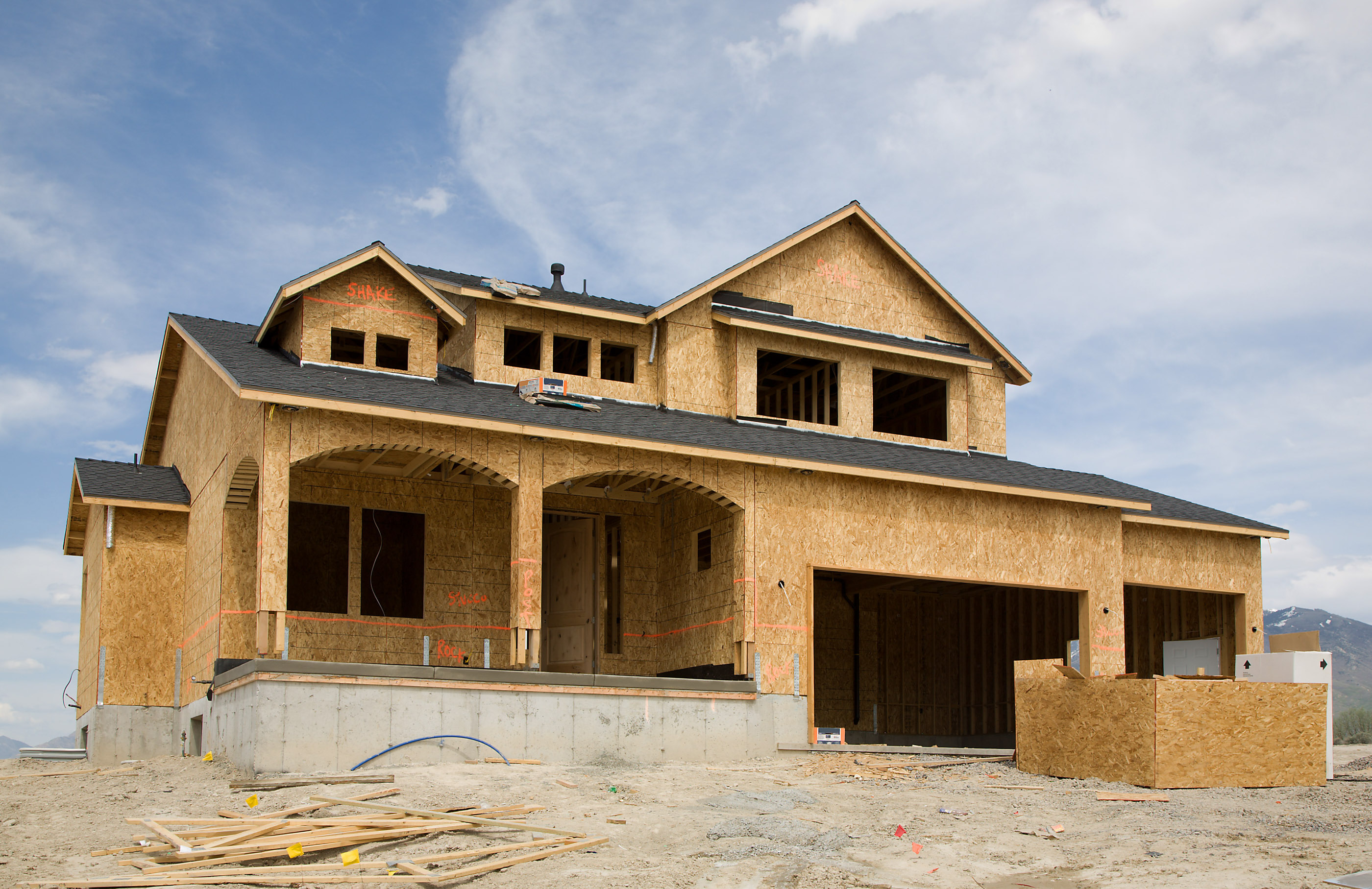
If you're building a custom home in the Omaha metro area, you're about to encounter one of the most challenging construction conditions in the Midwest: Nebraska's expansive clay soil.
Most homebuyers focus on floor plans, finishes, and neighborhood selection. Almost nobody thinks about what's under the ground—until foundation problems appear years later. Cracks in basement walls. Doors that won't close. Windows that stick. Uneven floors. Water seeping through foundation walls.
These aren't random construction defects. They're the predictable result of building on Nebraska clay without proper foundation engineering.
After building custom homes across Elkhorn, Papillion, Bellevue, and throughout the Omaha area, we've seen what happens when builders cut corners on foundation design. We've also seen how proper engineering creates homes that perform flawlessly for decades.
This guide explains what makes Nebraska clay so challenging, what proper foundation design looks like, and what you should demand from any builder working on your custom home.
Why Nebraska Clay Soil Is Uniquely Problematic
Not all dirt is created equal. The clay-rich soil throughout the Omaha metro area has specific characteristics that create massive pressure on foundations.
What Makes Clay "Expansive"
Nebraska sits on some of the most expansive clay deposits in the United States. Here's what that means:
Expansive Clay Characteristics:
- High plasticity index: Our clay can swell up to 10% in volume when saturated with water
- Shrink-swell cycle: The same clay shrinks dramatically when it dries out
- Pressure generation: Swelling clay can exert 5,000+ pounds per square foot of pressure against foundations
- Seasonal movement: Every wet spring and dry summer creates a movement cycle
The Physics Behind the Problem:
Clay particles are microscopically thin and flat, like tiny plates stacked together. When water gets between these plates, they push apart—creating expansion. When water evaporates, the plates collapse back together—creating shrinkage.
This wouldn't matter if the movement was uniform. But it's not. Clay under one corner of your house might be saturated while clay under another corner stays dry. This differential movement is what cracks foundations.
How Nebraska Clay Compares to Other Soils
Sand and Gravel (Good for Foundations):
- Water drains through quickly
- Minimal volume change when wet or dry
- High bearing capacity
- Predictable behavior
- Rare in Omaha area except along river corridors
Silt (Moderate):
- Some water retention
- Moderate bearing capacity
- Limited expansion potential
- Present in some Omaha areas, often mixed with clay
Expansive Clay (Challenging):
- Holds water like a sponge
- Dramatic volume changes
- Can exert massive upward pressure (heave)
- Can pull away from foundations when shrinking
- Dominant soil type throughout Omaha metro
Geographic Distribution in the Omaha Metro
Nebraska clay isn't uniform across the metro area:
Highest Clay Content Areas:
- West Omaha (particularly older neighborhoods)
- Parts of Papillion
- Bellevue plateau areas
- Bennington elevated areas
Moderate Clay Areas:
- Elkhorn (varies significantly by specific location)
- La Vista
- Council Bluffs bluff areas
Lower Clay Content:
- Missouri River floodplain (sandy soils)
- Elkhorn River corridor (sandy/silty)
- Stream valleys throughout metro
Critical Point: Even within the same subdivision, soil conditions can vary dramatically lot-to-lot. The lot next door might have completely different soil than yours.
For detailed information on how soil affects site preparation costs, read our article on custom home site preparation in Nebraska.
The Real-World Impact: What Happens When Builders Ignore Clay Conditions
Let's be clear about what we're preventing. Foundation failure on expansive clay isn't theoretical—it's common when builders skip proper engineering.
Foundation Failure Progression
Year 1-2 (Often Nothing Visible):
- Clay undergoes first full seasonal cycle
- Micro-movements begin but aren't visible yet
- Some minor settling is normal
Year 3-5 (Warning Signs Appear):
- Hairline cracks in basement walls (vertical or horizontal)
- Small cracks in drywall, especially at corners
- Doors start sticking in frames
- Minor floor levelness issues (hard to notice)
Year 5-10 (Problems Become Obvious):
- Basement wall cracks widen (can see daylight)
- Doors won't close without forcing
- Windows stick or won't open
- Floors noticeably unlevel (marbles roll)
- Gaps appear between walls and floors/ceilings
- Basement water infiltration begins
Year 10+ (Major Structural Issues):
- Foundation walls bow inward from soil pressure
- Structural beams sag or crack
- Major floor slope (furniture won't sit level)
- Chronic water problems
- Expensive repairs required ($30,000-$100,000+)
The Cost of Foundation Failure
Fixing a foundation after construction is exponentially more expensive than building it right initially:
Minor Foundation Repairs:
- Crack injection (epoxy or polyurethane): $400-$1,500 per crack
- Waterproofing interior: $3,000-$8,000
Major Foundation Repairs:
- Wall stabilization (carbon fiber straps): $4,000-$10,000
- Helical piers (exterior foundation support): $10,000-$30,000
- Wall replacement (severe cases): $20,000-$50,000+ per wall
- Complete foundation underpinning: $50,000-$150,000+
Additional Costs from Foundation Movement:
- Drywall repair throughout home: $5,000-$15,000
- Door and window adjustment/replacement: $2,000-$8,000
- Floor leveling: $10,000-$30,000
- Plumbing repairs (cracked pipes): $2,000-$10,000
Total Cost of Fixing Poor Foundation: $30,000-$200,000+
Cost of Building It Right Initially: $5,000-$20,000 extra over standard foundation
The math is obvious. Proper foundation engineering is the best money you'll spend on your custom home.
What a Proper Foundation for Nebraska Clay Looks Like
Building on expansive clay requires specific engineering approaches. Here's what competent builders do—and what you should demand.
Step 1: Geotechnical Investigation (Non-Negotiable)
Before any foundation is designed, your lot needs professional soil testing:
Standard Geotechnical Survey Includes:
- Boring samples at multiple locations (typically 3-4 for residential)
- Depth: minimum 15 feet below proposed foundation level
- Laboratory analysis of soil samples
- Testing for: clay content, plasticity index, moisture content, bearing capacity, expansion potential
What the Report Tells You:
- Bearing Capacity: How much weight the soil can support (measured in PSF - pounds per square foot)
- Plasticity Index: How much the soil expands/contracts (higher = worse)
- Moisture Content: Current moisture levels vs. saturation levels
- Expansion Potential: How much volume change to expect (rated low, medium, high, very high)
- Foundation Recommendations: Specific engineering approaches for your soil conditions
Cost: $1,500-$3,000 for residential lot
Red Flag: Any builder who says "we know the soil in this area" or "we don't need testing" is setting you up for problems. Soil varies dramatically even between adjacent lots.
Step 2: Foundation Design Specific to Soil Conditions
The geotechnical report drives foundation engineering. Here are the approaches for different clay conditions:
For Moderate Expansive Clay (Plasticity Index 15-30)
Standard Engineered Foundation:
- Poured concrete walls (8-10 inches thick)
- Footings below frost line (42 inches minimum in Nebraska)
- Footing width: 16-24 inches (wider than standard)
- Reinforcement: #4 or #5 rebar horizontal and vertical
- Concrete strength: 3,000-4,000 PSI
Drainage Systems:
- Perimeter drain tile (4-inch perforated pipe)
- Gravel backfill (minimum 12 inches, clean stone)
- Filter fabric separation
- Positive grade away from foundation (minimum 6 inches drop over 10 feet)
Moisture Management:
- Exterior waterproofing membrane
- Dampproofing on all below-grade walls
- Vapor barrier under slab
Additional Cost Over Standard Foundation: $3,000-$8,000
For High Expansive Clay (Plasticity Index 30-50)
Everything from moderate clay PLUS:
Enhanced Structural Elements:
- Thicker foundation walls (10-12 inches)
- Wider footings (24-30 inches)
- Additional rebar reinforcement
- Keyways at footing/wall joint
- Engineered fill under footings (replacing native clay)
Advanced Drainage:
- Interior perimeter drain system
- Sump pump with battery backup
- Exterior French drain system
- Foundation coating rated for high hydrostatic pressure
Soil Treatment:
- Remove and replace 2-3 feet of native clay under foundation
- Backfill with engineered fill (select granular material)
- Controlled compaction (95% standard Proctor density minimum)
Additional Cost Over Standard Foundation: $8,000-$15,000
For Very High Expansive Clay (Plasticity Index 50+) or Poor Bearing Capacity
Everything from high expansive clay PLUS:
Deep Foundation Elements:
- Helical piers to stable soil/bedrock (25-40 feet deep)
- Drilled piers (caissons) at structural load points
- Grade beams connecting pier caps
- Structural suspended slab (not soil-supported)
Extreme Moisture Control:
- Complete perimeter moisture barrier systems
- Geotextile reinforcement
- Chemical soil stabilization (in some cases)
- Comprehensive drainage system (interior and exterior)
Alternative Approach - Pier and Beam:
- Elevated foundation lifting house above expansive layer
- Eliminates basement option
- Most expensive approach
- Rare for residential construction in Omaha
Additional Cost Over Standard Foundation: $15,000-$40,000+
Step 3: Proper Excavation and Site Preparation
Even the best foundation design fails if excavation and prep work is done poorly:
Critical Excavation Requirements:
Over-excavation:
- Remove 2-3 feet of native clay below proposed footing level
- Replace with select granular fill (engineered backfill)
- Compaction in 6-8 inch lifts
- Testing to verify 95% compaction
Why This Matters: You're replacing the worst soil (active zone clay) with stable, non-expansive material. This creates a "buffer" between your foundation and the problem soil below.
Footing Installation:
- Level bearing surface (within 1/4 inch over 10 feet)
- Clean surface (no mud, loose soil, or debris)
- Forms properly braced and aligned
- Concrete placed without segregation
- Proper curing (moisture retention for minimum 7 days)
Backfill Management:
- NEVER backfill with excavated clay immediately against foundation
- Use clean, granular material (3/4" minus crushed stone or pea gravel)
- Compact in lifts (no more than 12 inches per lift)
- Avoid heavy equipment contact with foundation walls
Common Mistakes We See:
- Using excavated clay as backfill (creates maximum pressure on walls)
- No compaction of backfill (settles over time, creates voids)
- Heavy equipment working too close to walls (cracks green concrete)
- Backfilling before walls reach full strength (28 days for concrete)
Step 4: Comprehensive Drainage Systems
In Nebraska, keeping water away from clay soil is as important as the foundation itself:
Exterior Drainage:
- Perimeter drain tile at footing level
- 4-inch perforated pipe with sock filter
- Minimum 1/4 inch per foot slope to daylight discharge
- Clean gravel envelope (12 inches minimum around pipe)
- Connection to storm sewer or daylight discharge away from home
Interior Drainage (For High Clay Risk):
- Interior perimeter drain system
- Sump pit and pump system (primary + battery backup)
- Discharge line to safe location (minimum 10 feet from foundation)
- Floor drain in mechanical areas
Surface Water Management:
- Final grade slopes away from foundation (6 inches drop in first 10 feet)
- Gutters and downspouts discharge minimum 6 feet from foundation
- Swales or drainage channels direct water away from home
- Landscaping designed to prevent water pooling near foundation
Cost for Comprehensive Drainage: $4,000-$8,000 on top of foundation costs
This seems expensive—until you consider that foundation water damage repair costs $10,000-$50,000 and the drainage system would have prevented it.
Basement vs. Slab vs. Crawlspace: How Clay Affects Your Foundation Choice
Your foundation type decision is influenced by both your preferences and your soil conditions:
Full Basement Foundation
Advantages on Clay Soil:
- Deep footings below active clay zone (more stable)
- Adds living space (cost per square foot advantage)
- High resale value in Omaha market
- Storage and utility space
Clay-Related Challenges:
- Larger below-grade surface area (more soil pressure to resist)
- Water infiltration risk if drainage inadequate
- Requires robust waterproofing and drainage systems
Cost on Moderate Clay: $35,000-$50,000Cost on High Expansive Clay: $45,000-$65,000+
Best For: Buyers who want the space, accept the additional foundation engineering costs, and work with a builder who understands clay soil waterproofing.
Most of our custom home projects in Elkhorn, Papillion, and Omaha use full basements due to space value and market expectations.
Slab Foundation
Advantages on Clay Soil:
- Less below-grade wall surface (reduced pressure)
- Lower initial cost
- Faster construction
Clay-Related Challenges:
- Entire slab surface sits on potentially expansive soil
- Soil movement can crack slab
- Requires vapor barrier and proper base preparation
- No space for utilities (must be carefully planned)
Critical Requirements for Slab on Clay:
- Remove top 18-24 inches of clay
- Replace with compacted granular base
- Vapor barrier (10-mil minimum, sealed seams)
- Perimeter insulation (in Nebraska climate)
- Control joints to direct cracking
- Perimeter drainage still required
Cost on Moderate Clay: $18,000-$28,000Cost on High Expansive Clay: $25,000-$40,000 (with proper base prep)
Best For: Buyers focused on minimizing construction costs, accept loss of storage space, and understand slab risks on clay.
Warning: The "cheap" slab foundation (minimal base prep, no proper drainage) will crack and fail on expansive clay. Done right, slabs cost 70-80% of basement foundations—not the 50% savings some builders quote.
Crawlspace Foundation
Advantages on Clay Soil:
- Footings below active zone (like basements)
- Utility access maintained
- Lower cost than full basement
Clay-Related Challenges:
- Still has soil pressure on walls
- Moisture management critical (enclosed space concentrates humidity)
- Access difficulties for future repairs
Requirements:
- Perimeter drainage system
- Vapor barrier on crawlspace floor
- Proper ventilation OR conditioned crawlspace approach
- Adequate access openings
Cost on Moderate Clay: $22,000-$35,000Cost on High Expansive Clay: $28,000-$45,000
Best For: Rare in Omaha market. Some custom homes use this where topography creates a walkout opportunity but buyer doesn't want full basement.
Market Reality: Most buyers in the Omaha metro expect basements. Homes without them face resale challenges unless there's a specific design reason (modern architectural style, etc.).
Frost Line Requirements: Why Nebraska Foundations Go Deep
Nebraska's building code requires footings below the frost line—and for good reason.
What Frost Heave Does to Foundations
When ground freezes, water in the soil expands (ice is less dense than water). This creates upward pressure called "frost heave."
Without Deep Footings:
- Freezing soil pushes upward on shallow footings
- Foundation rises during winter
- Foundation settles during thaw
- Annual freeze-thaw cycle creates cumulative damage
- Result: cracked foundation walls, structural failure
Nebraska Frost Line Depth:
- Official code requirement: 42 inches minimum
- This varies slightly by jurisdiction
- Some engineers specify 48 inches for extra margin
- Clay soil can amplify frost heave problems
Why This Matters: Any builder suggesting footings above 42 inches is violating code and setting up foundation failure. Full stop.
How Clay Amplifies Frost Problems
Clay holds water. Water expands when frozen. Frozen clay creates massive heave forces:
Wet Clay + Freezing = Maximum Heave
This is why drainage is so critical. Keeping water away from the foundation isn't just about preventing water infiltration—it's about preventing frost heave damage.
Proper Approach:
- Footings at or below 42 inches (below frost zone)
- Drainage systems prevent water accumulation
- Dry soil = minimal frost heave risk
- Foundation remains stable through freeze-thaw cycles
Foundation Waterproofing vs. Dampproofing: Know the Difference
These terms are often used interchangeably—but they're not the same thing:
Dampproofing (Minimum Standard)
What It Is:
- Spray-applied asphalt coating on exterior foundation walls
- Prevents moisture vapor transmission
- NOT designed to resist hydrostatic pressure (standing water)
Cost: $1-$2 per square foot of wall surface
When It's Adequate:
- Well-drained sites with proper grading
- Perimeter drain tile functioning properly
- No groundwater concerns
- Moderate clay conditions
Limitation: Fails if drainage system doesn't function or groundwater levels rise.
Waterproofing (Better Standard)
What It Is:
- Multiple-layer system designed to resist water under pressure
- Typically includes membrane + drainage board
- Can handle hydrostatic pressure
- Self-healing properties in some systems
Cost: $3-$6 per square foot of wall surface
When It's Necessary:
- High water table conditions
- High expansive clay
- Finished basement spaces
- Risk of drainage system failure
Components:
- Liquid-applied or sheet membrane
- Drainage board (dimpled or other design)
- Protection board at grade level
- Sealed seams and transitions
For most Omaha custom homes on clay soil, we specify full waterproofing:
Why:
- Clay holds water (drainage can be overwhelmed in extreme rain)
- Finished basements are valuable space (worth protecting)
- Waterproofing adds $2,000-$4,000 to foundation cost
- Foundation water damage repairs cost $10,000-$50,000
- The math is obvious
Dampproofing Only: We only use dampproofing on sites with exceptional drainage and unfinished basements where owners accept the risk.
Interior vs. Exterior Foundation Waterproofing
There's a fundamental debate in the construction industry about where to waterproof:
Exterior Waterproofing (Preferred Approach)
How It Works:
- Waterproofing membrane applied to outside of foundation walls
- Water is stopped BEFORE it reaches concrete
- Drainage system directs water away
Advantages:
- Keeps water out of concrete (prevents long-term degradation)
- Protects foundation structure itself
- Most effective approach
- Can only be done during construction
Disadvantages:
- More expensive initially
- Requires quality installation during construction
- Can't be fixed later without major excavation
Cost: $5,000-$10,000 for typical basement
Interior Waterproofing (Remediation Approach)
How It Works:
- Water enters foundation wall
- Interior drainage system collects water
- Sump pump removes water from basement
Advantages:
- Can be installed after construction
- Common solution for existing homes with water issues
- Visible system (can see if it's working)
Disadvantages:
- Water still enters concrete (accelerates deterioration)
- Relies on pumps (power outages = flooding)
- Doesn't protect structure long-term
- Loses interior basement space (perimeter channel)
Cost: $5,000-$12,000 for typical basement (when added later)
Critical Understanding: Interior waterproofing is a management system, not a prevention system. Water still attacks your foundation—you're just catching it before it floods the basement.
Best Practice: Exterior waterproofing during construction + interior sump pump as backup = maximum protection.
Warning Signs Your Builder Doesn't Understand Clay Soil
Watch for these red flags during builder selection and construction:
Red Flag #1: "We Don't Need a Geotechnical Survey"
What They Say:
- "We've built in this neighborhood before"
- "We know the soil here"
- "Soil testing is a waste of money"
Reality: Soil varies dramatically lot-to-lot. Any builder skipping geotechnical testing is gambling with your foundation.
Red Flag #2: "Standard Foundation Works on Any Soil"
What They Say:
- "We use the same foundation design everywhere"
- "Our standard foundation has never had problems"
- "Engineering is just an unnecessary expense"
Reality: Nebraska clay requires engineered foundations. "Standard" foundations designed for sand or gravel soils will fail on expansive clay.
Red Flag #3: "We'll Just Use the Excavated Clay for Backfill"
What They Say:
- "No sense wasting good dirt"
- "It all came from the same hole"
- "Bringing in gravel costs extra"
Reality: This is the #1 cause of foundation pressure problems. Native clay should NEVER be used as backfill immediately against foundation walls.
Red Flag #4: "Drainage Isn't Really Necessary Here"
What They Say:
- "This neighborhood drains fine"
- "We don't usually put in drain tile"
- "That's just extra expense"
Reality: Proper drainage is mandatory on Nebraska clay. Any builder suggesting otherwise doesn't understand expansive soil mechanics.
Red Flag #5: "Dampproofing Is the Same as Waterproofing"
What They Say:
- "We waterproof all our foundations" (while applying spray-on dampproofing)
- "This coating is all you need"
Reality: These are different systems with different capabilities. Make sure your contract specifies exactly what you're getting.
Red Flag #6: "We Can Pour Concrete in Freezing Weather"
What They Say:
- "We need to stay on schedule"
- "We'll just heat the ground"
- "Modern concrete works fine in cold"
Reality: Cold weather concrete requires specific procedures and costs more. Rushing concrete placement in freezing temperatures creates weak, porous concrete that will fail.
How Much Should You Budget for a Proper Foundation on Clay Soil?
Foundation costs vary based on soil conditions, but here are realistic numbers:
2,000 Sq Ft Home Foundation Cost Ranges
Good Soil Conditions (Rare in Omaha):
- Standard foundation: $30,000-$35,000
- Includes: footings, walls, floor, basic drainage
Moderate Clay (Common):
- Engineered foundation: $38,000-$48,000
- Includes: enhanced footings, proper drainage, exterior waterproofing, engineered backfill
High Expansive Clay (Common in Parts of Omaha):
- Engineered foundation with enhanced measures: $45,000-$60,000
- Includes: everything above plus wider footings, thicker walls, comprehensive drainage, interior backup system
Problem Soils (Poor Bearing Capacity or Very High Expansion):
- Specialized foundation: $55,000-$85,000+
- May include: deep piers, engineered fill, extensive soil replacement, specialized structural design
Cost Per Square Foot of Foundation
Another way to think about foundation costs:
- Standard (good soil): $15-$18 per square foot
- Moderate clay: $19-$24 per square foot
- High expansive clay: $23-$30 per square foot
- Problem conditions: $28-$42+ per square foot
What Drives Foundation Costs Higher
Site-Specific Factors:
- Poor soil conditions requiring remediation
- High groundwater table
- Sloped lots requiring stepped footings or retaining walls
- Difficult site access (adds equipment costs)
- Cold weather construction (requires heating and protection)
Design Factors:
- Larger home = larger foundation footprint
- Complex shapes (more corners = more formwork)
- Taller basement walls (10-foot ceilings vs. 8-foot)
- Walkout basement configuration
- Additional structural support for open floor plans above
Quality Factors:
- Full waterproofing vs. dampproofing
- Interior drainage backup system
- Upgraded concrete strength
- Additional reinforcement
- Professional engineering
Real Project Examples: Foundation Costs on Omaha Clay
Here are actual foundation costs from Davis Contracting custom home projects:
Project 1: Capriana Development, Elkhorn
Details:
- 2,400 sq ft home, full basement
- Moderate expansive clay (PI = 28)
- Standard lot drainage
- Conventional construction timeline
Foundation Specifications:
- 8-inch poured walls
- 20-inch wide footings at 42 inches depth
- Full perimeter drain tile
- Exterior waterproofing membrane
- Gravel backfill
- Interior sump pump as backup
Cost: $46,800 ($19.50/sqft)
Timeline: 4 weeks from excavation to backfill complete
For more details on this development, see our article on available custom home lots in Stillwater Lake & Capriana.
Project 2: Papillion Custom Home
Details:
- 2,800 sq ft home with finished walkout basement
- High expansive clay (PI = 42)
- Sloped lot requiring retaining wall on uphill side
- Challenging drainage due to slope
Foundation Specifications:
- 10-inch poured walls with additional rebar
- 24-inch wide footings
- Stepped footings for grade change
- Partial retaining wall (30 feet)
- Comprehensive drainage (exterior and interior systems)
- Full waterproofing on all below-grade walls
Cost: $64,200 ($22.93/sqft)
Timeline: 5 weeks (extra time due to retaining wall)
Project 3: Bennington Ranch Home
Details:
- 2,000 sq ft home, full basement
- Moderate clay conditions
- Flat lot, excellent drainage
- Straightforward construction
Foundation Specifications:
- 8-inch poured walls
- 18-inch footings
- Standard perimeter drainage
- Dampproofing only (per owner decision for unfinished basement)
- Sump pump system
Cost: $38,400 ($19.20/sqft)
Timeline: 3.5 weeks
What These Examples Show
Foundation costs vary dramatically based on:
- Soil conditions (most important factor)
- Lot topography
- Waterproofing level chosen
- Home size and complexity
The difference between the cheapest and most expensive foundation above is $25,800—but each was appropriate for its specific conditions.
Questions to Ask Your Builder About Foundation Design
Before signing a contract, get specific answers about foundation design:
About Soil Testing
- "Will you conduct a geotechnical survey before designing the foundation?"
- "Who pays for the geotechnical testing?"
- "Will the foundation design be engineered specifically for the soil conditions found?"
- "What happens if soil testing reveals poor conditions—who pays for foundation upgrades?"
Red Flag Answers:
- "We don't need testing"
- "Testing is your responsibility but not required"
- "We'll figure it out as we go"
Good Answers:
- "Yes, geotechnical testing is included/required in our process"
- "Our foundation design will be based on the engineer's recommendations from soil testing"
- "We'll discuss any additional costs from poor soil before you're committed"
About Foundation Specifications
- "What is the foundation wall thickness?"
- "What is the footing width and depth?"
- "Is the foundation designed by a structural engineer?"
- "What type of waterproofing vs. dampproofing will be used?"
- "Is perimeter drainage included or extra?"
- "What type of backfill material will be used?"
Red Flag Answers:
- Vague answers ("standard foundation")
- "We don't typically engineer foundations"
- "Drainage is optional"
- "We'll use the excavated dirt for backfill"
Good Answers:
- Specific details about wall thickness, footing dimensions, rebar spacing
- "Foundation will be engineered based on soil conditions"
- "Full perimeter drainage is included"
- "We'll backfill with clean gravel against walls"
About Drainage Systems
- "Where does foundation drainage discharge?"
- "Is there an interior backup sump system?"
- "What slope is specified for final grade around the home?"
- "How are gutters and downspouts connected to drainage?"
About Warranties
- "What foundation warranty do you provide?"
- "Does the warranty cover foundation movement and cracks?"
- "What are the warranty exclusions?"
- "How long do you warranty foundation waterproofing?"
Standard Answer: Most builders provide 1-year warranty on foundation work, though some offer extended warranties for structural issues.
How Davis Contracting Handles Nebraska Clay Soil
At Davis Contracting, Julius and Nadra Davis built their own custom home and experienced firsthand the critical importance of proper foundation work.
Our Foundation Process:
Step 1: Geotechnical Survey (Required)
Before we design your foundation, we require professional soil testing. We've built enough homes on Nebraska clay to know that assumptions are expensive.
What We Do:
- Coordinate geotechnical survey with qualified firm
- Review results with you before foundation design
- Identify any cost implications from soil conditions
- Build soil-specific costs into your hard budget
Why: The $2,500 soil test prevents $25,000 in foundation problems.
Step 2: Engineered Foundation Design
We don't use "standard" foundations. Every foundation is engineered specifically for the actual soil conditions found on your lot.
Our Specifications:
- Structural engineer reviews geotechnical report
- Foundation designed for specific soil properties
- Footing width, depth, and reinforcement specified for conditions
- Waterproofing system matched to risk level
- Drainage system designed for site-specific water management
Step 3: Quality Excavation and Preparation
The best foundation design fails if excavation is done poorly:
What We Control:
- Over-excavation and replacement of poor soil
- Engineered fill properly compacted in lifts
- Level bearing surface for footings
- Clean base (no mud, debris, or loose soil)
What We Don't Allow:
- Using native clay as backfill against walls
- Uncompacted backfill
- Equipment operating too close to green concrete
- Rushing backfill before walls reach strength
Step 4: Comprehensive Drainage
Every custom home we build includes proper drainage systems:
Standard Drainage Package:
- Perimeter drain tile at footing level
- Discharge to daylight or storm sewer
- Gravel envelope around drain pipe
- Filter fabric separation
- Interior sump pump system
Enhanced Drainage (High Clay/Water Risk):
- Exterior AND interior perimeter systems
- Battery backup sump pump
- Foundation drainage board
- Surface water management (swales, etc.)
Step 5: Full Waterproofing (Not Just Dampproofing)
For finished basements (which is most custom homes), we specify full waterproofing:
Our Waterproofing System:
- Exterior membrane waterproofing
- Drainage board installation
- All seams and transitions sealed
- Protection at grade transition
- Vapor barrier under slab
Cost: Adds $3,000-$5,000 to foundation cost
Value: Protects $30,000-$60,000 worth of finished basement space
Step 6: Proper Curing and Protection
Concrete needs time to reach full strength:
Our Requirements:
- Minimum 7-day cure before backfilling
- Moisture retention during curing
- Cold weather protection (when necessary)
- No heavy equipment against walls during cure
Our Foundation Warranty
- 1-year comprehensive warranty on all foundation work
- 10-year structural warranty on foundation defects
- Lifetime relationship - we return calls after the one-year mark
Why We Stand Behind Our Foundations: Because we build them correctly from day one. We've never had a foundation failure on properly engineered work.
What Happens If You Skip Proper Foundation Engineering
Let's be clear about the stakes: foundation problems don't just cost money to fix—they make your home difficult or impossible to sell.
Impact on Resale
Foundation Issues Discovered During Sale:
- Buyer's home inspection reveals cracks, movement, or water
- Buyer demands repairs or price reduction
- Sale falls through (common if problems are significant)
- Next buyer is now wary (word spreads about "problem house")
- Home sits on market
- Price reductions required to offset foundation concerns
Real-World Example:
A client came to us after their home sale fell through:
- $425,000 listing price
- Buyer inspection found foundation cracks and water stains
- Buyer requested $45,000 reduction (repair costs + value adjustment)
- Seller refused
- Sale cancelled
- Home relisted at $399,000
- Eventually sold for $385,000
- Total loss: $40,000 below original listing price
The Foundation Repair Cost: Would have been $12,000 to properly fix
They saved $5,000 during construction by skipping proper foundation engineering. It cost them $40,000 at resale. This is the expensive lesson we help clients avoid.
Impact on Insurance and Financing
Insurance Implications:
- Some insurers won't cover homes with known foundation issues
- Higher premiums if coverage is available
- Claims may be denied if foundation problems caused damage
Financing Challenges:
- Lenders may refuse to finance homes with active foundation problems
- Appraisal may come in low due to foundation concerns
- FHA/VA loans particularly strict about foundation conditions
The Cascade Effect
Foundation problems don't stay isolated:
Secondary Damage from Foundation Movement:
- Plumbing leaks (pipes crack from shifting)
- HVAC ductwork separates
- Roof leaks (from structure movement)
- Interior finishes destroyed repeatedly
- Can't paint/repair (cracks return immediately)
You don't just fix the foundation—you fix everything the foundation damaged.
Timeline: When Foundation Problems Appear
Understanding the typical timeline helps you recognize warning signs:
Years 1-3: Usually quiet period. New construction settlement is normal and minor. Real problems typically haven't manifested yet (though they're developing underground).
Years 3-7: Warning signs appear. Hairline cracks, minor sticking doors, small drywall cracks. Most owners dismiss these as "normal settling."
Years 7-15: Problems become obvious. Cracks widen, water infiltration begins, doors definitely don't work right, floors noticeably unlevel.
Years 15+: Major repairs needed. Foundation walls bowing, structural issues, expensive remediation required.
Critical Point: The damage occurring in years 1-7 determines the severity of problems in years 7-15. Building it right from day one prevents all of this.
The Bottom Line: Foundation Investment Pays Forever
Here's the financial reality of foundation costs on Nebraska clay:
Scenario A: Build It Right
- Spend $8,000-$15,000 extra on proper foundation engineering
- Home performs flawlessly for decades
- No water problems
- No structural issues
- No resale concerns
- Total cost over 30 years: $8,000-$15,000
Scenario B: Cut Corners
- Save $8,000 on foundation
- Foundation cracks appear year 5
- Water infiltration year 7
- Major repairs needed year 12: $35,000
- Secondary damage repairs year 12: $12,000
- Resale impact year 20: -$30,000 vs. comparable homes
- Total cost over 30 years: $77,000+ in repairs and lost value
The math is obvious. Proper foundation engineering is the best money you'll spend on your custom home.
Ready to Build on Nebraska Clay the Right Way?
If you're building a custom home in the Omaha metro area, don't gamble with your foundation.
Davis Contracting builds every home with engineered foundations designed specifically for Nebraska clay soil conditions. We serve:
Schedule Your Discovery Call
We'll discuss your lot, your soil conditions, and exactly how we'll engineer your foundation to perform for decades.
Call Davis Contracting: (402) 298-3493
Let's build your custom home on a foundation that lasts.