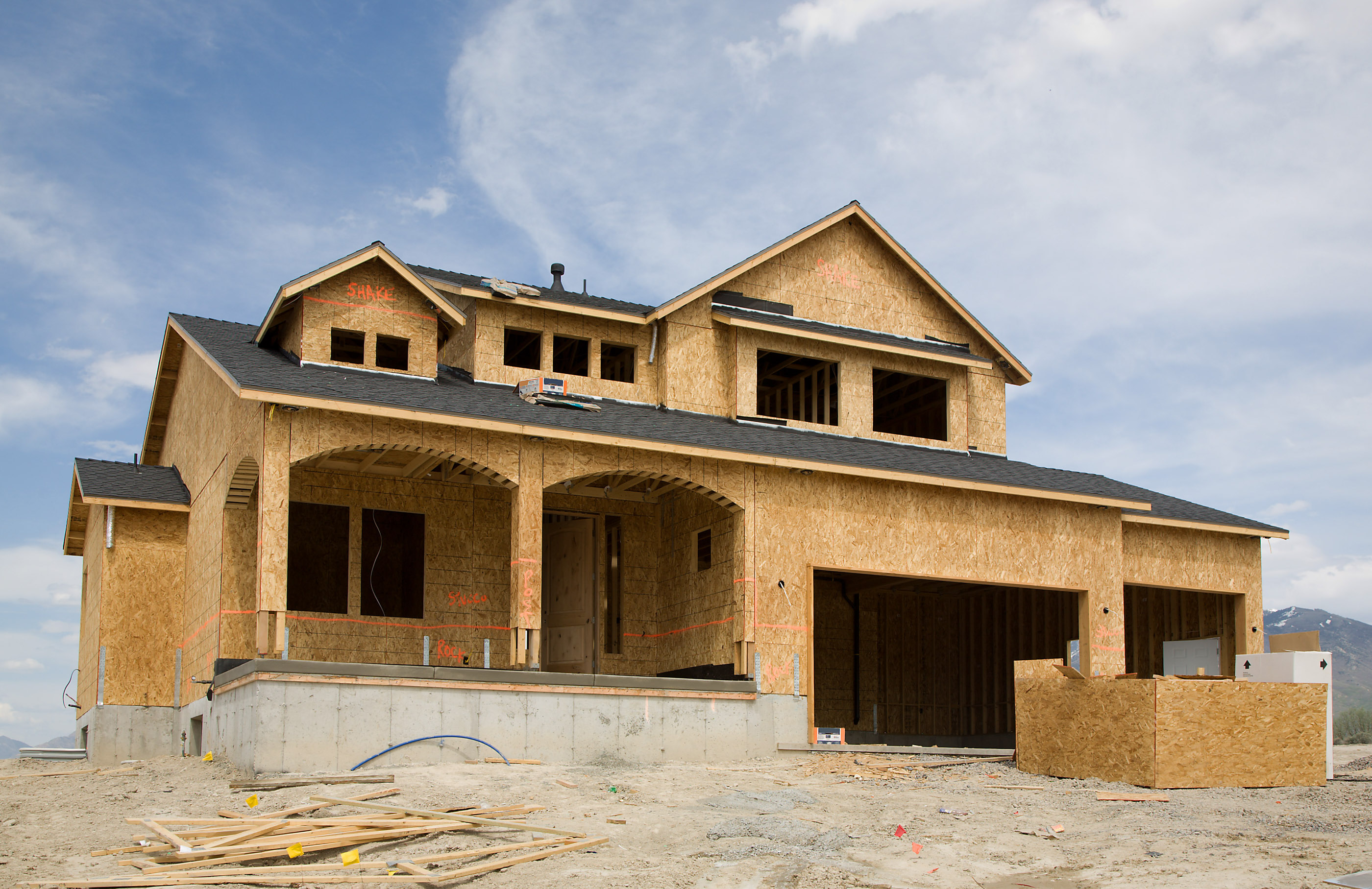
Picture this scenario: A homeowner in Elkhorn calls in a panic. Three years ago, he'd decided to finish his basement himself to "save money." He'd watched YouTube tutorials, bought tools, and spent his weekends framing walls, running electrical, and hanging drywall.
The work looked decent on the surface. He was proud of what he'd accomplished. He'd "saved" roughly $45,000 by doing it himself instead of hiring professionals.
Then he decided to sell his house.
The buyer's home inspector found numerous code violations: overloaded electrical circuits, improper framing that didn't meet egress requirements, missing fire blocking, inadequate insulation, plumbing vents that didn't exist, and HVAC work that violated manufacturer specifications.
The city building department got involved. Since the work had been done without permits, he was required to open up walls for inspections, correct all violations, and bring everything up to current code.
The total cost to fix his DIY work: $68,000. Plus another $22,000 in lost sale price because the buyer negotiated aggressively once problems were discovered.
His $45,000 "savings" ended up costing him $90,000—double what he would have spent hiring professionals from the beginning.
This example isn't unique. After 15+ years as a design-build contractor serving the Omaha metro area, we've seen this pattern repeat constantly. Homeowners try to save money through DIY or by ignoring problems, only to pay dramatically more later when those decisions come back to haunt them.
This article reveals the specific DIY projects and ignored problems that consistently backfire on homeowners—and more importantly, helps you understand when to call professionals and when DIY makes sense.
What homeowners try to skip: The discovery and design phase where professionals help you deeply understand your needs, explore options, make informed trade-offs, and create detailed plans before construction.
Why they skip it: Homeowners think they already know what they want. They've browsed Pinterest, talked to friends, visited neighbors' remodels. They're ready to start building. Paying $2,000-$4,500 for design work feels like unnecessary expense when they're eager to break ground.
What actually happens: Without comprehensive design leadership, homeowners make critical mistakes that become permanent once construction is complete:
Mistake 1: Designing for Instagram, Not for Real Life
Homeowners fall in love with beautiful photos that don't actually serve their daily routines. They create open-concept spaces that leave them with insufficient storage. They design basements with trendy aesthetics that don't accommodate their actual furniture or usage patterns. They configure kitchens that look stunning but make cooking difficult.
A couple in Papillion contacted us at Davis Contracting to finish work another contractor had started (and abandoned). The previous contractor had simply built whatever the homeowners sketched out—no professional design input, no questioning whether it would actually work.
The result: A basement with a "bedroom" that had no natural light and didn't meet code requirements for egress. A bathroom positioned where plumbing access was extremely difficult. A family room that felt cramped because furniture placement hadn't been considered during design. Multiple doorways creating awkward traffic patterns.
They lived with it for two years before finally calling us to redesign and rebuild substantial portions. Total cost of the redo: $38,000—money they wouldn't have spent if they'd invested in proper design from the beginning.
Mistake 2: Not Understanding Structural Constraints Until Too Late
Homeowners design additions or remodels without understanding what's structurally possible in their specific home. They want to remove walls that turn out to be load-bearing (requiring expensive beam installation). They plan layouts that conflict with plumbing locations (requiring costly rerouting). They envision additions in locations where foundation work becomes prohibitively expensive.
A family in Bellevue spent $8,000 having an architect draw plans for a home addition they'd conceptualized. When they finally got contractor bids, every contractor explained that their design was structurally problematic. The wall they wanted to remove required a $15,000 steel beam. The foundation approach they'd specified wouldn't work on their soil type, adding $20,000. The roof integration was more complex than the architect had considered, adding another $12,000.
Mistake 3: Making Material Selections Without Understanding Trade-offs
Without professional guidance, homeowners choose materials based on aesthetics without understanding durability, maintenance, cost implications, or how selections interact with other components.
They select beautiful flooring that can't handle their household's wear patterns. They choose trendy fixtures that will look dated in five years. They pick finishes incompatible with their lifestyle (white grout in a household with young children, for example). They make selections in isolation without understanding how they work together as a complete design.
Why Professional Design Process Prevents These Mistakes:
When you work with Davis Contracting's design-build process, you're not just getting someone to draw pretty pictures. You're getting:
Lifestyle-Focused Discovery: We ask about how you actually live, what frustrates you about current spaces, what your daily routines look like, how your family uses different areas. We're designing for your real life, not magazine aesthetics.
Structural Reality Integration: We're assessing your home's constraints while exploring design options. We're not creating fantasy plans that don't account for load-bearing walls, plumbing locations, electrical capacity, or foundation requirements.
Material Education: We help you understand trade-offs between different quality levels, maintenance requirements, durability factors, and cost implications. You're making informed choices, not guessing.
Complete Systems Thinking: We're considering how every choice impacts other choices. How your HVAC capacity affects addition possibilities. How your floor plan affects furniture placement. How your material selections affect long-term maintenance.
This comprehensive design agreement process ($1,500-$4,500 depending on project scope) prevents the expensive mistakes that result from DIY design or rushed planning.
When DIY Design Makes Sense: Honestly? Almost never for significant remodeling projects.
DIY design might work for:
For anything involving structural changes, plumbing, electrical, HVAC, or significant investment, professional design pays for itself many times over through avoided mistakes.
What homeowners try to DIY: Acting as their own general contractor—coordinating multiple trade partners, managing schedules, ordering materials, ensuring quality, handling inspections.
Why they try it: They think: "How hard can it be to coordinate a few subcontractors? I'll save the general contractor markup (typically 15-25%) and just manage it myself."
Why it always backfires:
Problem 1: You Don't Know What You Don't Know
Professional general contractors have knowledge bases built over hundreds of projects. They know:
Homeowner "general contractors" lack this knowledge base. They:
Problem 2: Trade Partners Won't Prioritize You
Quality trade partners (electricians, plumbers, HVAC technicians, finish carpenters) are busy. They manage their schedules carefully to keep crews working efficiently.
When professional general contractors call, trade partners prioritize them because:
When homeowners call trying to manage their own project, trade partners:
The result: Your project drags on for months longer than necessary. Your costs increase because delays compound. Quality suffers because you're not getting top-tier attention.
Problem 3: Cash Flow Management Becomes Dangerous
Professional contractors maintain careful cash flow management:
Homeowners managing their own projects often:
Problem 4: You Can't Evaluate Quality Until It's Too Late
Professional contractors inspect work at every stage. They know what good framing looks like. They recognize when electrical work doesn't meet code. They catch plumbing problems before walls close up. They ensure HVAC is installed to manufacturer specifications.
Homeowners can't evaluate quality in real-time. They discover problems only after:
By then, corrections are exponentially more expensive than catching problems during construction.
When DIY Project Management Makes Sense:
Acting as your own general contractor might work if:
For most homeowners with full-time jobs, families, and limited construction knowledge, hiring a professional general contractor (or better yet, a design-build contractor who integrates design and construction management) is far less expensive and stressful than DIY project management.
At Davis Contracting, our project management systems include:
The peace of mind and quality assurance of professional project management dramatically outweighs the perceived "savings" of DIY management.
What homeowners ignore or try to DIY: Code violations, structural problems, outdated systems that should be addressed during remodeling.
Why they ignore these issues: They seem invisible. The electrical panel looks fine on the outside even if it's outdated. The framing seems sturdy even if it doesn't meet current codes. The plumbing works even if vents are missing. Homeowners think: "If it's not broken, why fix it? Why spend money on something no one will see?"
Why ignoring these problems always backfires:
Scenario 1: Building Inspectors Require Corrections
When you pull permits for your remodel (as legally required), building inspectors evaluate your work. When they discover existing code violations while inspecting your new work, those violations must be corrected before they'll approve your project.
This creates mid-project surprises:
You've already committed to the project. Stopping isn't an option. You're forced to pay for corrections you didn't budget for.
Scenario 2: Problems Compound During Construction
That "small" foundation crack you ignored? During your addition construction, it opens further under new load, requiring expensive foundation repair.
That outdated electrical panel you didn't upgrade? It can't handle the additional load from your basement finish, requiring mid-project emergency replacement.
That plumbing issue you thought was minor? It becomes a major leak during demolition, causing water damage and mold requiring expensive remediation.
Ignoring existing problems doesn't make them disappear. It makes them more expensive when they inevitably surface during construction.
Scenario 3: Safety Risks Materialize
Code violations exist because they create safety hazards. Ignoring them puts your family at risk:
Is saving a few thousand dollars worth these risks to your family's safety?
Scenario 4: Future Sale Complications
When you sell your home, buyers hire professional inspectors who identify:
Homeowners who skipped addressing problems during their remodel face these issues at the worst possible time—when they're trying to close a sale and move. They end up making expensive corrections under time pressure, or accepting significantly reduced sale prices.
When It's Okay to Defer Problem Corrections:
There are situations where deferring certain corrections makes sense:
But structural issues, code violations, and safety concerns should always be addressed proactively during remodeling projects. The cost is far lower when addressed as part of a planned project than when forced to correct them later under pressure.
How Design-Build Contractors Identify Issues Proactively:
At Davis Contracting, our design-build approach includes thorough pre-construction assessment:
This proactive approach prevents mid-project surprises and ensures your investment includes the unsexy but important work that protects your home's value and your family's safety.
What homeowners ignore: Small cracks in foundations, minor settling, doors that don't close perfectly, small gaps or separations in trim, slight bouncing in floors.
Why they ignore it: These seem minor. The house has been this way for years without catastrophic failure. Addressing foundation or structural issues sounds expensive and scary.
Why ignoring it backfires:
The Problem Compounds: Small structural issues rarely stay small. They worsen over time as:
That hairline foundation crack becomes a 1/4" gap. That slightly bouncy floor becomes noticeably sloped. That door that stuck occasionally now won't close at all.
Your Remodel Reveals the Extent: When you start your addition or remodel, structural problems you ignored become impossible to avoid:
Real Example: A couple planning a second-story addition had ignored slight cracking and settling for years. When their engineer evaluated the home for the addition, he found:
Before they could proceed with their addition, they needed:
Their ignored "minor" issues added $32,700 to their project budget—work they'd postponed hoping it would just... stop getting worse.
When to Call Professionals:
Foundation and structural issues won't resolve themselves. They only worsen. Addressing them during planned remodeling projects is far less expensive than emergency repairs later.
What homeowners ignore: Outdated electrical panels, insufficient electrical capacity, old wiring systems, missing GFCI protection.
Why they ignore it: Electricity is invisible. If lights work and outlets function, homeowners assume everything is fine. Electrical upgrades sound expensive and seem unnecessary.
Why ignoring electrical issues is dangerous and expensive:
Safety Risks Are Real:
Your Remodel Will Force the Issue: When you add basement finishing, home additions, or kitchen remodels, electrical demand increases. Your existing panel might not have capacity for additional circuits. Your home might not have adequate service (100-amp service can't support modern demands).
Building Inspectors Won't Pass Inadequate Systems: When you pull permits for remodeling work, electrical inspectors evaluate your entire system. They'll require:
What homeowners ignore: Insufficient heating/cooling capacity for additional finished square footage, aging HVAC systems nearing end of useful life, inadequate ductwork, poor airflow balance.
Why they ignore it: HVAC systems are expensive to replace ($8,000-$15,000 for full system). If current system "works," homeowners defer replacement even when adding significant square footage.
Why this creates problems:
Undersized Systems Can't Serve Additional Space: Adding 600-800 square feet of finished basement or home addition requires additional HVAC capacity. Your existing system might not have capacity to heat/cool the new space adequately.
The result:
You Face Difficult Choices Mid-Project:
What homeowners ignore: Minor basement dampness, insufficient gutters or downspout extensions, poor grading around foundation, small water stains, occasional musty smells.
Why they ignore it: Water problems seem manageable. Running a dehumidifier seems easier than addressing underlying causes. Drainage and waterproofing work isn't glamorous—homeowners want to spend on beautiful finishes, not on preventing water infiltration.
Why ignoring moisture problems destroys value:
Finishing Over Moisture Problems Creates Disasters:
Homeowners finish basements without addressing why moisture exists. After spending $50,000-$70,000 on beautiful basement finishes, they discover:
Their entire investment is lost because they didn't spend $3,000-$8,000 on proper moisture management before finishing.
Common Moisture Sources in Omaha-Area Basements:
When to Address Moisture Proactively:
Proper moisture management isn't optional for basement finishing. It's the foundation (literally) that protects your entire investment.
At Davis Contracting, we won't finish a basement that has moisture issues without addressing underlying causes first. Yes, it adds cost upfront. But it prevents the devastating scenario of losing your entire investment to moisture damage.
Cosmetic updates you can safely DIY:
Requirements for successful DIY:
Never DIY these categories:
Structural Work:
Electrical Work:
Plumbing:
HVAC:
Gas Line Work:
Why these must be professional:
The homeowners who contact Davis Contracting to fix their DIY disasters always say variations of the same thing:
"I was trying to save money."
They genuinely believed DIY or skipping professional guidance would protect their budgets. Instead, they:
The paradox of saving money: The attempts to save money through DIY or cutting corners on design and planning consistently cost far more than investing in professional expertise from the beginning.
Hiring professionals doesn't mean you're not capable or that you're wasting money. It means you're:
Buying expertise accumulated over hundreds of similar projects
Purchasing systems that prevent typical mistakes
Investing in efficiency that saves time and money
Protecting your investment through proper techniques and materials
Ensuring safety for your family
Creating value that enhances your home long-term
At Davis Contracting, we see our role as protecting homeowners from expensive mistakes while creating spaces they'll love for decades.
Our design-build process:
Phase 1: Design Discovery ($1,500-$4,500 depending on project scope)
Phase 2: Detailed Planning
Phase 3: Professional Execution
Phase 4: Completion and Warranty
If you're planning a home addition, basement finish, or custom home in the Omaha metro area, contact Davis Contracting for a no-cost initial consultation.
We'll help you understand:
Don't become another cautionary tale of DIY disaster or ignored problems that cost tens of thousands to fix. Start your project right the first time.