.png)
You've finally reached the point where your home's master bedroom no longer works for your lifestyle. Maybe the bathroom is cramped and outdated. Perhaps you need a proper walk-in closet instead of the 1980s-era reach-in closet that's bursting at the seams. Or you've simply outgrown the modest primary bedroom that seemed adequate when you bought the house.
For Papillion homeowners, this scenario is incredibly common. Many homes in the area were built 20-40 years ago with master suites that don't meet modern expectations. Today's homeowners want spacious bedrooms, spa-like bathrooms, generous closets, and sometimes sitting areas or access to outdoor spaces.
The question becomes: do you build a primary suite addition on your existing level, or do you add a second story to create the master suite above your current footprint?
Both approaches deliver the space you need, but they differ dramatically in cost, complexity, design considerations, and impact on your property. The "right" answer depends on your specific situation—your lot characteristics, your home's existing structure, your budget, and your long-term plans.
This comprehensive guide breaks down the real differences between primary suite additions and second story additions specifically for Papillion homes. You'll understand what each approach actually costs, the advantages and challenges of each option, how your lot characteristics affect your choices, structural considerations that impact feasibility, and how to make the decision that best serves your family and your investment.
By the time you finish reading, you'll know exactly which approach makes sense for your specific situation and what to budget for the project you're considering.
Primary suite additions extend your home's existing footprint horizontally, typically adding 300-500 square feet for a complete suite including bedroom, bathroom, and walk-in closet.
These additions usually connect to your existing master bedroom area or create an entirely new suite while converting your old master bedroom to another purpose. The new space sits on a new foundation, requires new roofing that integrates with your existing roof, and creates additional square footage at ground level.
In Papillion neighborhoods, primary suite additions represent popular projects because many homes have sufficient lot space to accommodate horizontal expansion without compromising yard areas or violating setback requirements.
A well-designed primary suite addition typically includes a generous bedroom space (minimum 14'x16', often larger), en-suite bathroom with dual sinks, shower, and separate tub, substantial walk-in closet (minimum 8'x8', preferably larger), and possibly additional features like sitting areas, coffee bar niches, or direct outdoor access.
The bathroom component often represents the most significant investment within the suite. Modern primary bathrooms include quality fixtures, tile work, ventilation, heated floors, and sophisticated lighting—all of which add costs but dramatically improve functionality and luxury.
Primary suite additions require complete foundation systems matching or exceeding your home's existing foundation. This means excavation, footer installation, foundation walls, waterproofing, and floor systems.
Foundation work for additions typically costs $10,000-$20,000 depending on soil conditions, depth requirements, and size. Papillion's clay-heavy soil sometimes presents challenges requiring engineered solutions that increase costs.
The foundation must properly integrate with your existing structure while remaining independent enough to handle differential settling. Poor integration creates cracks where the addition meets the original house—a common problem with rushed addition projects.
Successfully integrating new roofing with existing roof systems requires careful design and execution. The new roof must properly shed water, integrate flashing at all connection points, match existing roof pitch and materials, and create seamless transitions that don't look obviously "added on."
Poor roof integration creates leak problems and aesthetic issues. We've been called to remedy additions where roof valleys weren't properly flashed or where contractors tried to save money by creating roof designs that don't effectively manage water.
Quality roof integration for additions adds $8,000-$15,000 to your project depending on complexity and whether you need to replace portions of your existing roof to create proper transitions.
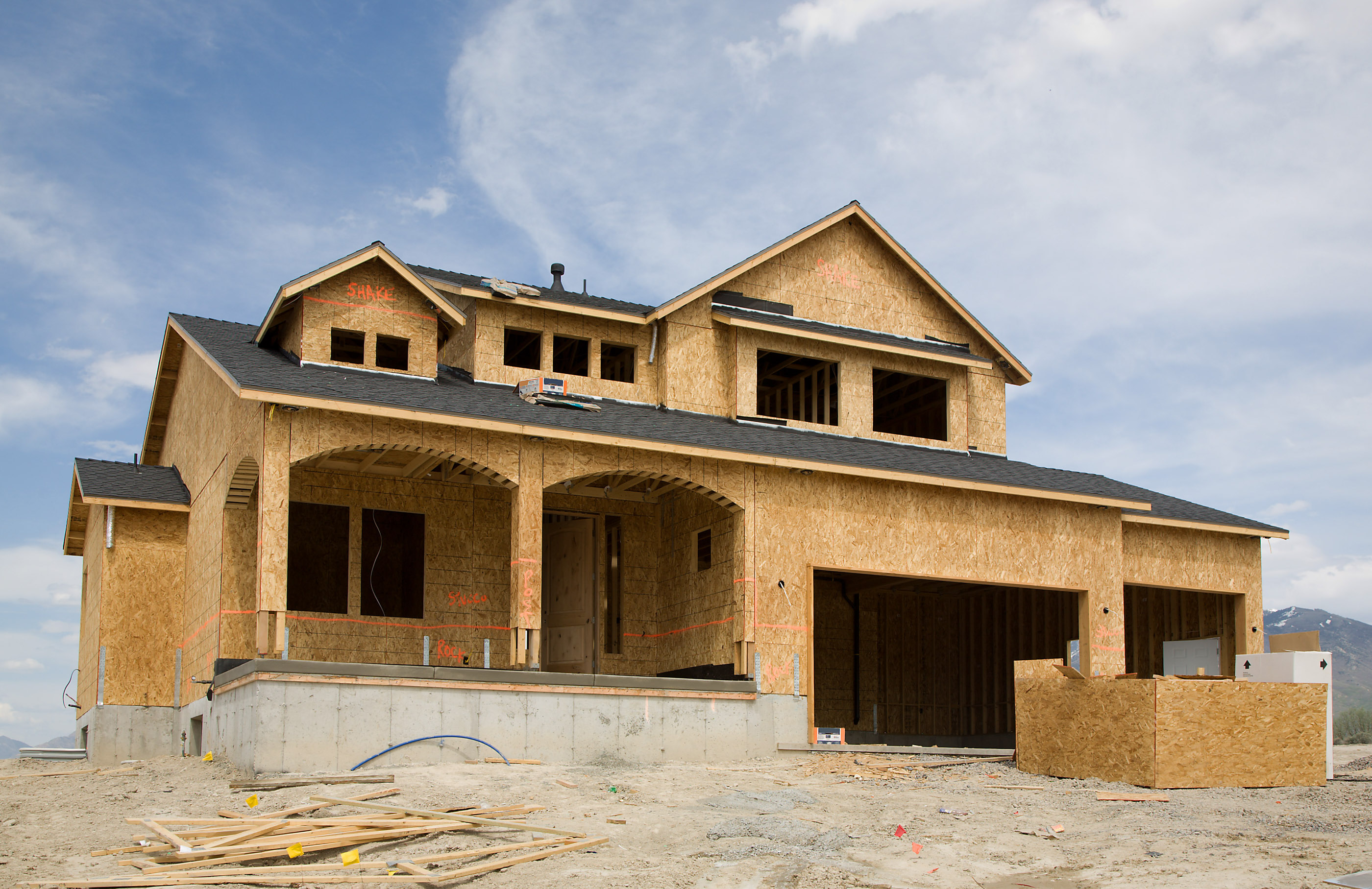
Second story additions build upward rather than outward, creating new space above your existing footprint. For primary suites, this typically means adding 400-600 square feet of finished space over a portion of your home's existing first floor.
These additions don't consume yard space or affect your property's footprint. However, they present unique structural and design challenges that primary suite additions don't face.
Second story additions work particularly well when your lot is too small to accommodate horizontal expansion without compromising yard functionality, your property sits close to setback lines preventing first-floor additions, you want to preserve landscaping or outdoor living spaces, you want views or outlook available only from second floor elevation, or neighborhood homes are predominantly two-story and single-story appearance affects resale.
In some Papillion neighborhoods, particularly those with smaller lots, second story additions offer the only practical way to add significant space without sacrificing outdoor areas.
Not all homes can support second story additions. The existing structure must either already have adequate bearing capacity or be reinforced to handle additional loads.
Homes built with future second stories in mind include foundations and walls designed for additional weight. Most single-story homes weren't designed this way, requiring structural evaluation and likely reinforcement before addition construction begins.
Structural engineering assessments cost $1,500-$3,500 and reveal whether your home can support second story additions and what reinforcement is necessary. This assessment should happen before you invest in detailed architectural plans.
Common reinforcement needs include foundation strengthening or replacement, bearing wall reinforcement, beam installations to distribute loads, and column additions to support new loads.
Structural reinforcement easily adds $15,000-$40,000 to project costs depending on what's required. Some homes require such extensive reinforcement that second story additions become financially impractical compared to alternatives.
Second story additions require stairway access consuming space in your existing first floor. A proper stairway needs roughly 40-50 square feet of floor space including the stairwell opening and landing area.
Finding this space in your existing floor plan often requires sacrificing rooms, reconfiguring layouts, or creating additions for the stairway itself. The stairway location affects traffic flow throughout your home and must integrate logically with both floors.
Stairway construction costs $10,000-$20,000 including structural framing, finish carpentry, railings, and necessary first-floor modifications.
Second story additions create more disruption to daily life than first-floor additions because portions of your existing roof must be removed during construction, creating weather exposure risks, extensive work happens directly above your living spaces, creating noise and dust concerns, and you typically can't fully use first-floor areas under construction zones.
Quality contractors mitigate these challenges through careful scheduling, comprehensive tarping and protection systems, and clear communication about what to expect each day. However, the disruption remains substantially greater than first-floor additions where construction zones remain more separate from occupied spaces.
Let's examine actual costs for comparable projects so you understand the real investment required for each approach.
A complete 400 square foot primary suite addition including bedroom, bathroom, and closet typically costs $120,000-$180,000 in the Papillion area. This breaks down to roughly $300-$450 per square foot for quality construction.
Cost components include foundation and excavation ($12,000-$18,000), framing and structural work ($20,000-$30,000), roofing and exterior finishing ($15,000-$25,000), electrical and lighting ($6,000-$10,000), plumbing ($8,000-$12,000 for bathroom), HVAC extension ($5,000-$8,000), insulation and drywall ($12,000-$18,000), interior finishing (flooring, trim, paint) ($15,000-$22,000), bathroom fixtures and finishes ($18,000-$30,000), closet systems ($3,000-$7,000), permits and engineering ($3,000-$5,000), and design and architectural services ($5,000-$10,000).
These numbers reflect quality construction with good materials and proper integration with your existing home. Budget approaches might save 15-20% but typically compromise on materials, finishes, or construction quality.
Premium versions with luxury finishes, high-end fixtures, and sophisticated details reach $200,000-$240,000 for the same square footage.
A comparable 400 square foot second story primary suite typically costs $140,000-$220,000 in Papillion—roughly 15-25% more than a first-floor addition.
Additional costs versus first-floor additions include structural assessment and engineering ($2,500-$4,000), foundation and structural reinforcement ($15,000-$40,000), temporary supports during construction ($5,000-$10,000), stairway construction and integration ($12,000-$20,000), roof removal and reconstruction ($8,000-$15,000), and more complex engineering and permits ($4,000-$7,000).
Beyond direct construction costs, second story additions often require temporary housing arrangements or lifestyle adjustments that create indirect costs. If you need to relocate for 2-3 weeks during critical construction phases, add $3,000-$6,000 for housing costs.
The primary cost drivers that distinguish these approaches are foundation work (first-floor requires new foundation, second story reinforces existing), structural complexity (second story requires significantly more engineering and reinforcement), roof work (first-floor adds roof, second story removes and replaces existing roof), stairway construction (second story only), and construction logistics (second story creates higher costs due to working over existing spaces).
For most Papillion homes, these factors add $20,000-$40,000 to second story projects compared to equivalent first-floor additions.
Your property's specific characteristics often determine which addition type works best.
Papillion's zoning codes require minimum distances between structures and property lines. These setback requirements vary by neighborhood and lot configuration but typically require 10-30 feet from side and rear property lines.
If your home already sits close to setback lines, first-floor additions might violate code. Second story additions avoid this issue since they don't expand your footprint.
Before seriously considering first-floor additions, verify your property's setbacks and measure distances from your home to property lines. If you're within 15-20 feet of any property line on the side where you'd build, consult with an architect or builder about whether sufficient space exists.
Narrow lots might not accommodate first-floor additions without consuming most of your usable side yard. Deep lots often have ample space behind the house for additions without compromising front or side yards.
Consider how additions affect your outdoor living spaces. If you have a beautiful backyard with mature landscaping, a deck, and established outdoor entertainment areas, first-floor additions consume this space. Second story additions preserve it.
Conversely, if your yard is largely unused or you don't prioritize outdoor space, first-floor additions might not sacrifice functionality you actually value.
Papillion's relatively flat topography generally supports both addition types. However, properties with drainage challenges might favor second story additions that don't create new foundation walls that could disrupt drainage patterns or create water infiltration risks.
Sites with significant slope sometimes offer opportunities for walkout basement levels under first-floor additions, effectively creating two levels of new space for somewhat less than twice the cost of a single level.
Mature trees, established gardens, patios, decks, and other outdoor features might make first-floor additions impractical or undesirable. These features took years to develop and can't easily be replaced.
Second story additions preserve existing landscaping completely. They might actually enhance your use of outdoor spaces by adding covered areas below second-floor cantilevers or creating interesting sight lines between indoor and outdoor spaces.
Beyond costs and feasibility, design differences between these approaches affect your decision.
First-floor primary suites offer single-level living convenience—particularly valuable as you age. You never navigate stairs in the middle of the night or after injury. All your living spaces remain accessible without climbing.
First-floor additions allow direct outdoor access through patio doors. You can create private patios, courtyards, or garden spaces directly off your primary suite—a luxury impossible with second-story locations.
Bathroom and closet layouts enjoy more flexibility with first-floor additions. You're not constrained by existing structural elements from rooms below. Plumbing runs are simpler. You have more options for window placement and natural light.
First-floor suites integrate more naturally with existing main-level living spaces. You're not separated from family areas by a flight of stairs, which matters for families with children or for homeowners who want convenient access between primary suite and main living areas.
Second-story primary suites create natural separation from main living areas. If you have teenagers or you frequently host guests, this separation provides privacy that first-floor suites can't match.
Views improve dramatically with second-floor locations. Even Papillion's moderate elevation changes create sight line differences that make second story spaces feel more expansive and connected to surrounding areas.
Second story additions often allow cathedral or vaulted ceilings since you're not constrained by existing ceiling heights. These dramatic ceiling treatments create luxury feel impossible to achieve in first-floor additions without substantial expense.
Second stories create architectural interest. Well-designed two-story homes often command higher values than single-story homes of equivalent square footage. The added dimension creates curb appeal and visual presence that buyers value.
First-floor primary bathrooms offer easier plumbing installation with straightforward connections to existing systems. You can include features like large soaking tubs without weight concerns.
Second-story bathrooms require more planning around weight loads—particularly for large tubs or stone features. Plumbing runs are more complex. However, second-story bathrooms can more easily incorporate skylights or interesting ceiling treatments that enhance the luxury experience.
Both approaches allow generous walk-in closets, but structural differences affect design options. First-floor closets enjoy more flexibility in shape and configuration. Second-story closets must work around structural elements from below but can sometimes incorporate interesting details like dormer windows or unique ceiling angles that add character.
How your addition fits within neighborhood context affects both immediate satisfaction and long-term value.
In predominantly single-story Papillion neighborhoods, second story additions might create homes that stand out—sometimes positively, sometimes not. If your home becomes substantially larger and more vertical than surrounding properties, you risk over-building for the neighborhood.
Conversely, in neighborhoods with many two-story homes, remaining single-story might limit your home's appeal to certain buyers who prefer the presence and functionality of two levels.
Research recent sales in your neighborhood. Look at homes with additions and note whether first-floor or second-story additions are more common. This pattern reveals what the market values in your specific area.
Every neighborhood has practical value ceilings beyond which additional improvements don't return their investment. If homes in your area typically sell for $400,000-$500,000, investing $180,000 in an addition that creates a home potentially worth $550,000-$600,000 might not make financial sense.
Primary suite additions typically recoup 60-75% of their cost in immediate resale value. The remaining value accrues through your enjoyment of the space during ownership and potentially through neighborhood appreciation over time.
Second story additions sometimes recoup slightly less (55-70%) because of their higher cost and the disruption they represent. However, in neighborhoods where two-story homes command premiums, second story additions might actually return higher percentages.
Most homeowners need 5-7 years of ownership after completing primary suite additions to fully recoup their investment through appreciation and avoidance of moving costs. If you're planning to sell within 3-5 years, neither addition type will likely return full investment.
If you're planning to stay 10+ years, investment return matters less than quality of life improvement. Build what serves your family best, not what maximizes resale value.
Both addition types require permits and code compliance, but requirements differ.
First-floor additions need foundation permits, structural permits, electrical permits, plumbing permits, mechanical permits for HVAC, and final inspections for occupancy.
The permitting process typically takes 4-8 weeks in Papillion depending on project complexity and current permit department workload. This timeline should be factored into your overall project schedule.
Second story additions need all the same permits plus structural engineering stamps confirming existing foundation and structure can support additional loads. This engineering review adds time and cost but ensures safety.
Some jurisdictions require additional reviews for second story additions because they significantly alter the home's profile and might affect neighbors' views or sunlight access. Papillion generally handles these reviews efficiently, but be prepared for 6-10 weeks in the permitting process.
Construction timelines differ significantly between these approaches.
First-floor primary suite additions typically require 4-6 months from permit issuance to completion. This breaks down to foundation and framing (4-6 weeks), exterior closing and roof (3-4 weeks), rough mechanical, electrical, plumbing (2-3 weeks), insulation and drywall (3-4 weeks), interior finishing (3-4 weeks), bathroom finishing (2-3 weeks), and final inspections and punch list (1-2 weeks).
Weather can extend these timelines, particularly during foundation work or exterior finishing. Plan for potential weather delays when scheduling completion around specific life events.
Second story additions typically take 5-8 months from permit to completion—roughly 25% longer than first-floor additions. Additional time comes from structural reinforcement work (2-4 weeks before addition framing), more complex roof work, stairway construction and integration, and additional inspection holds for structural elements.
The timeline also includes more "critical path" work where subsequent tasks can't begin until previous work is complete. First-floor additions allow more parallel work streams that can proceed simultaneously.
Whether you're considering a first-floor or second-story primary suite addition, our design-build approach ensures you make the right choice for your specific situation and execute flawlessly.
We start by evaluating your property, existing home structure, lot characteristics and setback requirements, your lifestyle needs and preferences, budget parameters, and neighborhood context.
This analysis often reveals that one approach clearly makes more sense than the other for your situation. Sometimes clients come to us certain they need a second story addition, and our analysis shows a first-floor addition will better serve their needs at lower cost. Other times, lot constraints make second story the obvious choice despite clients' initial preference for first-floor construction.
Our designers create primary suite additions that look and feel like original parts of your home, not obvious "add-ons." This requires careful attention to roof lines and exterior detailing, interior flow and connections to existing spaces, material and finish coordination, and proportions and scale that complement your home's architecture.
Poor addition design creates homes that look cobbled together. Quality design creates seamless integration where visitors can't identify what's original and what's added.
If both approaches are feasible for your property, we provide detailed cost estimates for each option. These estimates include all structural requirements, permits and engineering, complete finishing specifications, and realistic contingency allowances.
You understand exactly what each approach costs before making your decision. There are no surprises about "required" structural work or additional costs that emerge after you've committed to a plan.
From design through final inspection, we manage every aspect of your home addition project including structural engineering coordination, permit applications and inspections, all trade coordination, material procurement, and daily communication about progress and any decisions needed.
Whether you're building a first-floor addition in Elkhorn or a second story suite in Bellevue, you receive the same meticulous attention to quality and detail.
As you evaluate whether first-floor or second-story primary suite addition makes sense for your situation, consider these questions:
Lot and Property Questions: Does your lot have adequate space for first-floor addition without compromising outdoor areas you value? Are you close to setback lines that would prevent first-floor expansion? Does your lot have features (mature trees, established landscaping, outdoor living spaces) you want to preserve?
Lifestyle Questions: How important is single-level living to you now and in the future? Do you want direct outdoor access from your primary suite? How much do you value privacy and separation from main living areas?
Budget Questions: Can you comfortably invest in second story structural requirements if needed? Are you willing to pay 15-25% premiums for second story benefits?
Timeline Questions: Do you have flexibility if the project takes 6-8 months instead of 4-6 months? Can you tolerate construction disruption directly above living spaces?
Long-term Questions: How long do you plan to own this home? Does your neighborhood favor single-story or two-story homes? Are you building for your needs or for resale value?
Whether you need a luxurious first-floor primary suite or a dramatic second-story retreat, proper planning ensures your addition delivers exactly what you're envisioning while protecting your investment.
At Davis Contracting, we've designed and built primary suite additions throughout Papillion, Omaha, Elkhorn, Bellevue, Bennington, La Vista, and Council Bluffs. Our clients enjoy beautiful spaces perfectly tailored to their lifestyles.
Our design-build process ensures your addition integrates seamlessly with your existing home, includes all necessary structural and permit work from the start, uses quality materials and construction methods that last for decades, and delivers exactly what you're envisioning at a price you can trust.
Contact Davis Contracting today at (402) 298-3493 to schedule your complimentary consultation. We'll evaluate your property and discuss your goals, explain which addition approach makes sense for your situation, provide transparent pricing for your options, and answer all your questions about the process.
Your home should perfectly serve your family's needs. Let us help you create the primary suite you deserve—whether that means expanding outward or building upward.