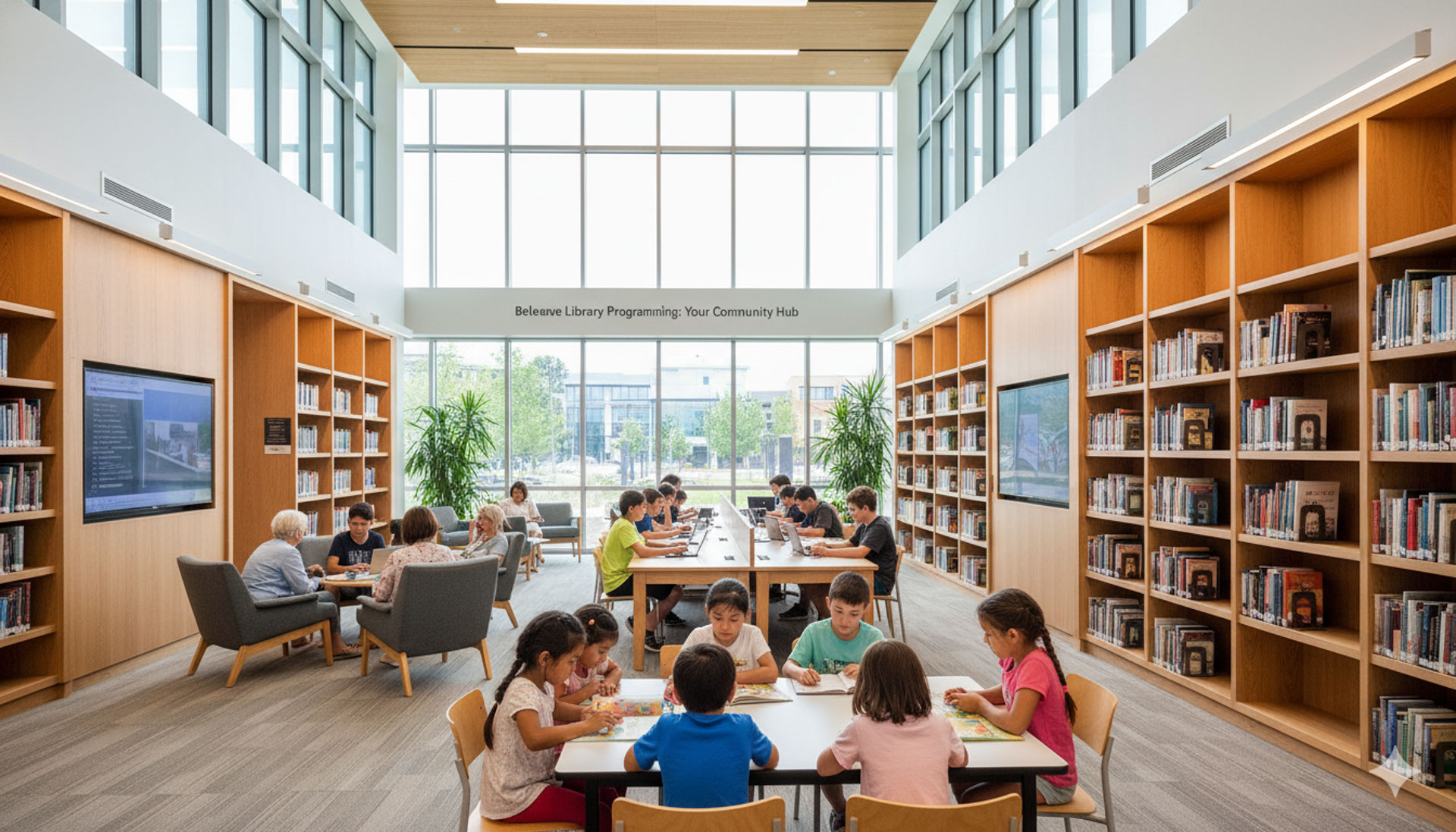
Bellevue Public Library serves as far more than a book repository, offering programming that spans from preschool storytimes to adult technology training, as evidenced by the packed January 2026 calendar referenced during City Council administration reports. Modern public libraries function as community centers, educational hubs, technology access points, and cultural gathering spaces serving diverse populations across age groups and interests. For homeowners, library quality significantly affects neighborhood desirability, school district appeal, and property values, making library programming and services an often-overlooked factor in residential investment decisions.
Public libraries have transformed dramatically from the quiet reading rooms of past generations into vibrant community centers offering far more than book lending. The American Library Association's Libraries Transform initiative highlights how modern libraries provide early childhood literacy programming, workforce development resources, technology training, maker spaces with 3D printers and other equipment, meeting rooms for community organizations, and cultural programming from author talks to art exhibitions.
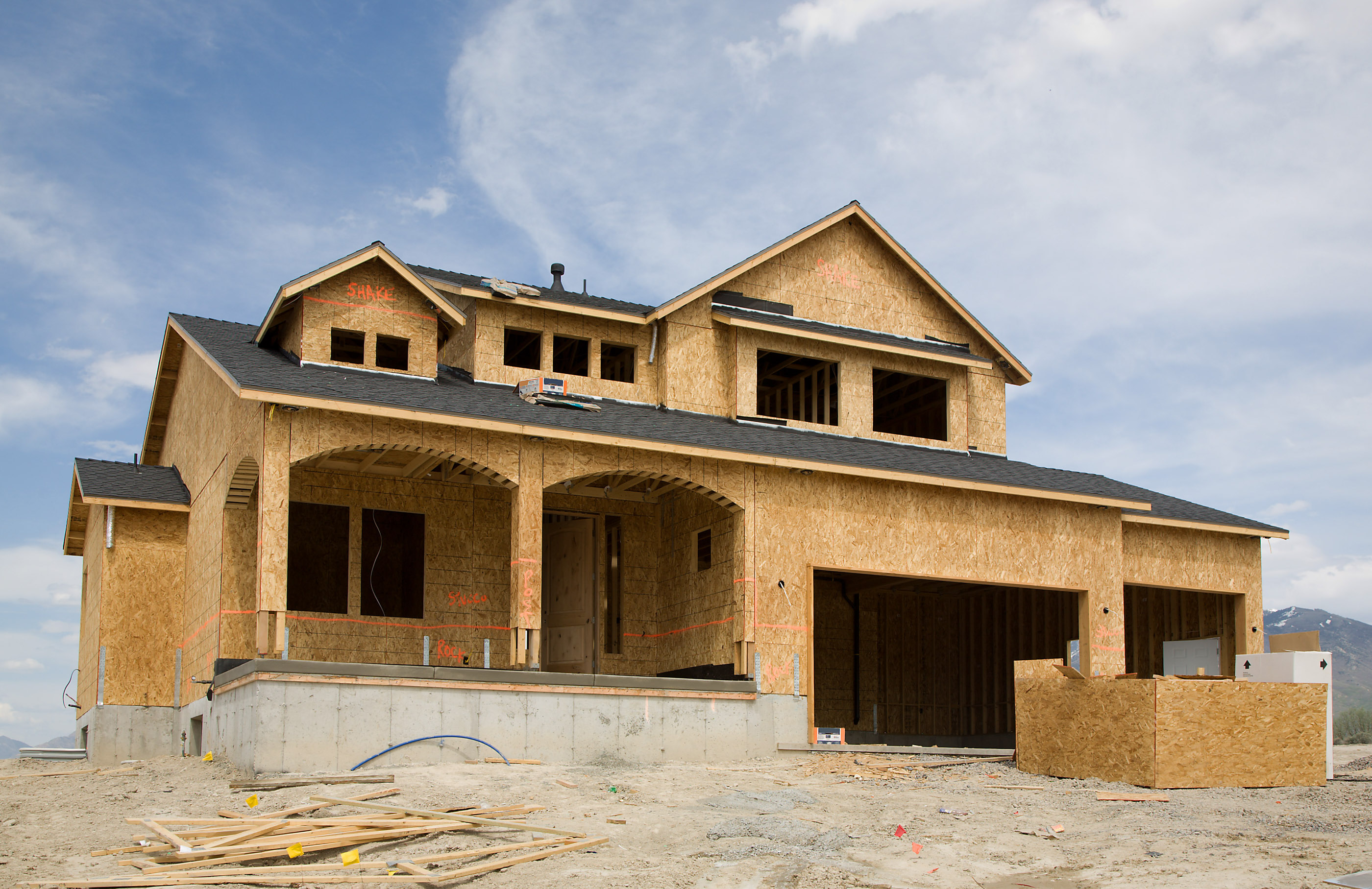
For families with children, library programming quality often ranks alongside school district reputation when evaluating neighborhoods. Libraries offering robust children's programming, homework help, summer reading programs, and educational resources supplement formal schooling in ways that benefit academic achievement and lifelong learning habits. Homeowners considering where to invest in custom home construction or major home improvements should evaluate library services as carefully as they assess schools, parks, and commercial amenities.
Bellevue Library provides crucial technology access for residents who lack high-speed internet at home or don't own computers, tablets, or other devices increasingly necessary for employment, education, and accessing government services. Pew Research data shows that approximately 10-15 percent of Americans lack home internet access, with even higher percentages in certain demographic groups. Libraries bridge this digital divide by offering free internet access, public computers, printing services, and technology training helping residents develop skills necessary for modern employment.
For homeowners, understanding that not all families have equal technology access provides perspective on why library services matter for community vitality. Strong communities support all residents regardless of income level, and libraries provide the equalizing resources that help everyone access opportunities regardless of home technology infrastructure. This community support infrastructure indirectly benefits all homeowners by maintaining neighborhood stability and providing pathways for residents to improve their economic circumstances.
Adult programming at Bellevue Library likely includes technology training, job search assistance, resume workshops, interview preparation, and industry-specific skill development helping residents advance careers or transition to new fields. Institute of Museum and Library Services research demonstrates that public library workforce development programming generates measurable economic returns through increased employment and higher earning potential for participants.
Homeowners benefit from living in communities with strong workforce development resources because resident employment stability and income growth support housing markets. When residents can access training and education improving their economic prospects, they're better positioned to maintain homeownership, invest in property improvements, and avoid foreclosure during economic disruptions. This collective economic stability supports property values across entire communities, making library services an indirect contributor to residential real estate market health.
Public libraries typically offer free or low-cost meeting rooms for community organizations, nonprofit groups, and sometimes small business networking events. This meeting space provision supports civic engagement by giving community groups accessible locations for gatherings without expensive rental costs. The ALA meeting room guidelines emphasize that libraries serve as neutral public forums where diverse groups can gather regardless of their viewpoints or organizational purposes.
For homeowners, library meeting space availability affects community social capital development. When neighborhood associations, school parent groups, and volunteer organizations have accessible meeting locations, community organization flourishes. These informal networks often prove crucial when neighborhoods face shared challenges like traffic concerns, park maintenance needs, or advocating for municipal services. Strong community organization makes neighborhoods more livable and contributes to the collective property value protection that comes from residents working together toward shared goals.
Many public libraries emphasize early childhood programming recognizing that literacy development begins long before formal schooling. Storytime sessions, interactive learning activities, parent education, and age-appropriate book collections support brain development during critical early years when children's learning capacity grows most rapidly. Zero to Three research on early childhood development demonstrates that language exposure, interactive reading, and educational play during first five years establish foundations for all future learning.
Families with young children prioritize neighborhoods offering robust early childhood resources including quality libraries, parks with age-appropriate playgrounds, and preschool options. Homeowners without young children benefit indirectly from these family-oriented amenities because communities that attract and retain families maintain stable populations, well-funded schools, and the youth-focused programming that keeps communities vibrant across generations. When evaluating whether to invest in home additions for growing families or where to build custom, consider how community amenities like library programming support family life beyond your property boundaries.
Libraries often host cultural programming including author talks, art exhibitions, historical presentations, music performances, and cultural celebration events representing the community's diversity. This cultural programming builds community identity and creates shared experiences that connect residents across demographic differences. National Endowment for the Arts research shows that communities with vibrant cultural programming develop stronger civic engagement, lower crime rates, and higher resident satisfaction than communities lacking cultural amenities.
For homeowners, cultural vibrancy affects quality of life in ways that influence long-term residential satisfaction. When your community offers interesting programming, engaging events, and opportunities to connect with neighbors around shared interests, you're more likely to develop the sense of place that keeps residents invested in community wellbeing. This investment translates to property maintenance, civic participation, and the collective efforts that maintain neighborhood quality over time.
Quality library services attract families and businesses evaluating where to locate, making libraries economic development assets beyond their direct programming value. Companies recruiting employees highlight community amenities including libraries when attracting talent, and families relocating for employment evaluate school districts and library services when choosing neighborhoods. The Urban Libraries Council documents how library investments generate economic returns through increased property values, business attraction, and workforce development outcomes.
Bellevue homeowners should appreciate that library funding through property taxes and municipal budgets represents investment in infrastructure that supports property values. Quality library services contribute to the community profile that attracts residents, supports school quality through supplemental educational resources, and maintains the civic infrastructure that makes communities function effectively. Visit the Bellevue Public Library website to explore programming calendars and services available to residents. For homeowners investing in property improvements, remember that community amenities like library services significantly influence how prospective buyers evaluate neighborhoods and what they're willing to pay for homes in areas offering comprehensive quality-of-life resources.