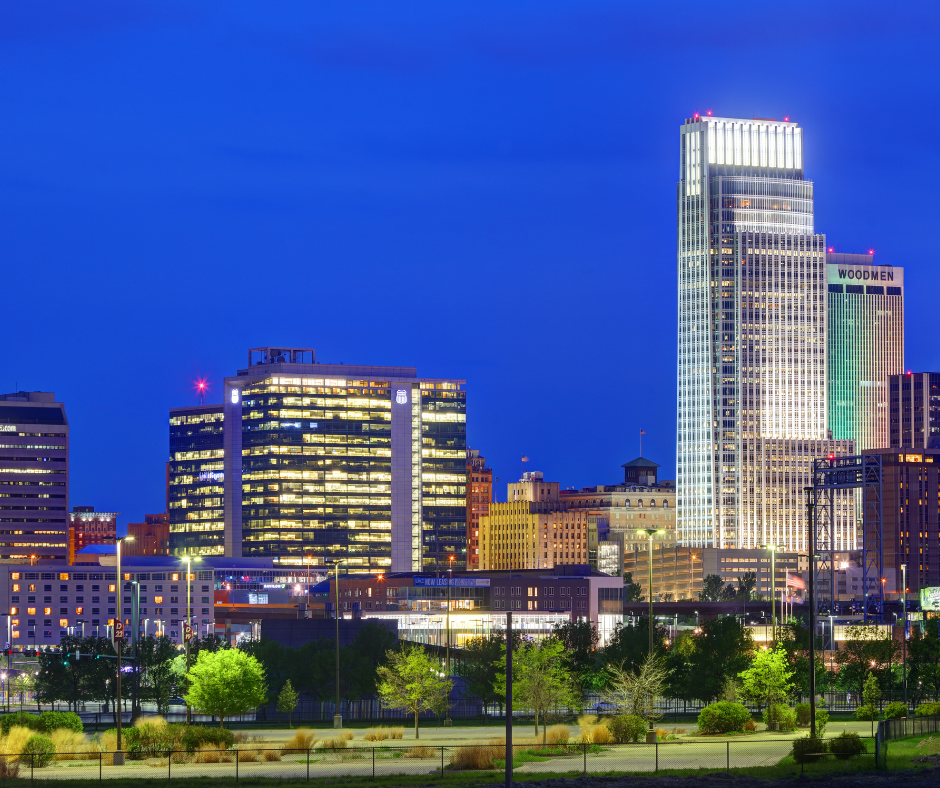
Bellevue's Mission Avenue corridor received significant attention during the February 3, 2026 City Council meeting as the streetscape improvement project advanced alongside broader Old Town development initiatives supported by Opportunity Zone federal tax incentives. This multi-faceted approach to revitalizing Bellevue's historic core combines public infrastructure investment with private development incentives, creating comprehensive neighborhood transformation that affects property values, business viability, and residential appeal throughout Old Town and surrounding areas. For homeowners in and near Old Town, understanding these coordinated improvement initiatives helps you anticipate how neighborhood character will evolve and whether property improvements align with or conflict with emerging development patterns.
Streetscape improvements typically encompass far more than simple pavement replacement. Comprehensive streetscape projects remake entire corridors through wider sidewalks, street trees and landscaping, decorative lighting, crosswalk safety enhancements, utilities buried underground, streetscape furniture like benches and trash receptacles, and architectural elements creating visual identity. The National Association of City Transportation Officials Urban Street Design Guide describes how quality streetscapes transform corridors from automobile-dominated throughways into pedestrian-friendly mixed-use destinations supporting retail, dining, residential, and office uses.
For homeowners in Old Town neighborhoods, Mission Avenue streetscape improvements directly affect property values by enhancing neighborhood appeal, improving walkability, and creating the public realm quality that attracts businesses serving residential areas. Quality streetscapes encourage walking rather than driving, support local business success through pedestrian traffic, and create gathering spaces fostering community connections. These benefits extend beyond properties immediately fronting Mission Avenue to surrounding residential blocks whose residents access improved commercial amenities via safer, more attractive pedestrian routes.
The federal Opportunity Zone program provides significant capital gains tax incentives for investors who deploy capital into designated economically-distressed areas. Investors can defer existing capital gains taxes by investing in Opportunity Zone projects, potentially reduce those tax obligations through time-based discounts, and completely eliminate capital gains taxes on appreciation from Opportunity Zone investments held ten years. Opportunity Zone investment tracking shows that the program has attracted billions in private capital to areas that previously struggled attracting conventional real estate investment.
Bellevue's Old Town Opportunity Zone designation makes the area eligible for these investment incentives, potentially catalyzing residential and commercial development that wouldn't occur based on market fundamentals alone. For homeowners, Opportunity Zone investment flowing into your neighborhood can dramatically accelerate property value appreciation as new development increases neighborhood desirability, brings new residents and businesses, and creates the momentum attracting conventional investors who follow early Opportunity Zone capital.
The most successful Opportunity Zone areas coordinate public infrastructure investment with private development incentives, creating synergy where each investment type enhances the other's value. Bellevue's Mission Avenue streetscape improvements provide the high-quality public realm that makes private mixed-use development more attractive to investors and tenants. Simultaneously, private Opportunity Zone investment generates the commercial activity, residential density, and street-level vitality that justifies public infrastructure spending.
This public-private coordination model benefits homeowners through accelerated neighborhood transformation that single-source investment cannot achieve. When municipalities invest in streetscapes without private development following, improved corridors serve existing residents but don't generate transformative neighborhood change. When private investment occurs without corresponding public infrastructure quality, new development feels isolated from surroundings rather than integrated into improving neighborhoods. The combination creates trajectory shifts that fundamentally alter neighborhood character and property value potential.
Old Town revitalization typically emphasizes mixed-use development combining ground-floor retail and restaurants with upper-floor residential or office space. This traditional Main Street development pattern creates the pedestrian activity supporting local businesses while providing housing options for residents who value walkable urban lifestyles. American Planning Association research shows that mixed-use corridors generate far more economic activity per acre than single-use commercial strips relying entirely on automobile access.
Homeowners living in neighborhoods transitioning to mixed-use patterns should understand both benefits and adjustments this development pattern entails. Benefits include commercial amenities within walking distance, enhanced property values from neighborhood desirability, and vibrant street life creating eyes-on-the-street security. Adjustments include managing on-street parking competition, adjusting to greater pedestrian activity and noise, and sometimes architectural character changes as new buildings respond to contemporary design preferences rather than historic patterns. Working with contractors experienced in urban residential construction helps homeowners design improvements complementing rather than conflicting with evolving neighborhood character.
Old Town revitalization ideally balances new development and infrastructure improvements with historic preservation maintaining neighborhood character. Historic preservation guidelines encourage sympathetic infill development, adaptive reuse of historic structures, and streetscape designs referencing historic precedents while accommodating contemporary needs. This balanced approach creates authentic neighborhood character rather than either museum-piece preservation rejecting change or wholesale redevelopment erasing history.
Homeowners owning historic properties in Old Town face decisions about whether to maintain historic character through sensitive renovations or pursue contemporary improvements that may increase functionality while reducing historic integrity. These decisions carry both personal preference and financial implications, as historic preservation sometimes qualifies for tax credits or grants offsetting renovation costs, while contemporary improvements may better suit modern living preferences. Experienced contractors help homeowners navigate these tradeoffs by designing improvements respecting historic character while incorporating modern systems, materials, and amenities improving livability.
Streetscape improvements often reconfigure street cross-sections, potentially reducing travel lanes, adding bike lanes, expanding sidewalks, or converting parallel parking to angled parking. These changes prioritize pedestrian and bicycle access over automobile throughput, reflecting planning philosophy emphasizing place-making over traffic movement. NACTO bikeway design guidance demonstrates how reallocating street space from cars to other modes creates more economically productive corridors supporting higher-value land uses.
Homeowners accustomed to driving everywhere may need mindset adjustments as neighborhoods become more walkable and bike-friendly. The long-term benefits include less driving necessity, enhanced property values from neighborhood walkability, and improved health from active transportation replacing sedentary car trips. Short-term adjustments include learning new traffic patterns, potentially parking farther from destinations, and sharing streets with more cyclists and pedestrians. These changes fundamentally improve quality of life despite requiring behavioral adaptation.
Major streetscape projects typically span multiple construction seasons as utilities are relocated, pavements are reconstructed, landscaping is installed, and finishing touches complete transformations. Construction disrupts businesses and residents through noise, dust, detour routes, and temporary loss of parking. Municipalities typically coordinate with businesses to maintain access during construction, schedule disruptive work phases carefully, and communicate clearly about project timelines and temporary impacts.
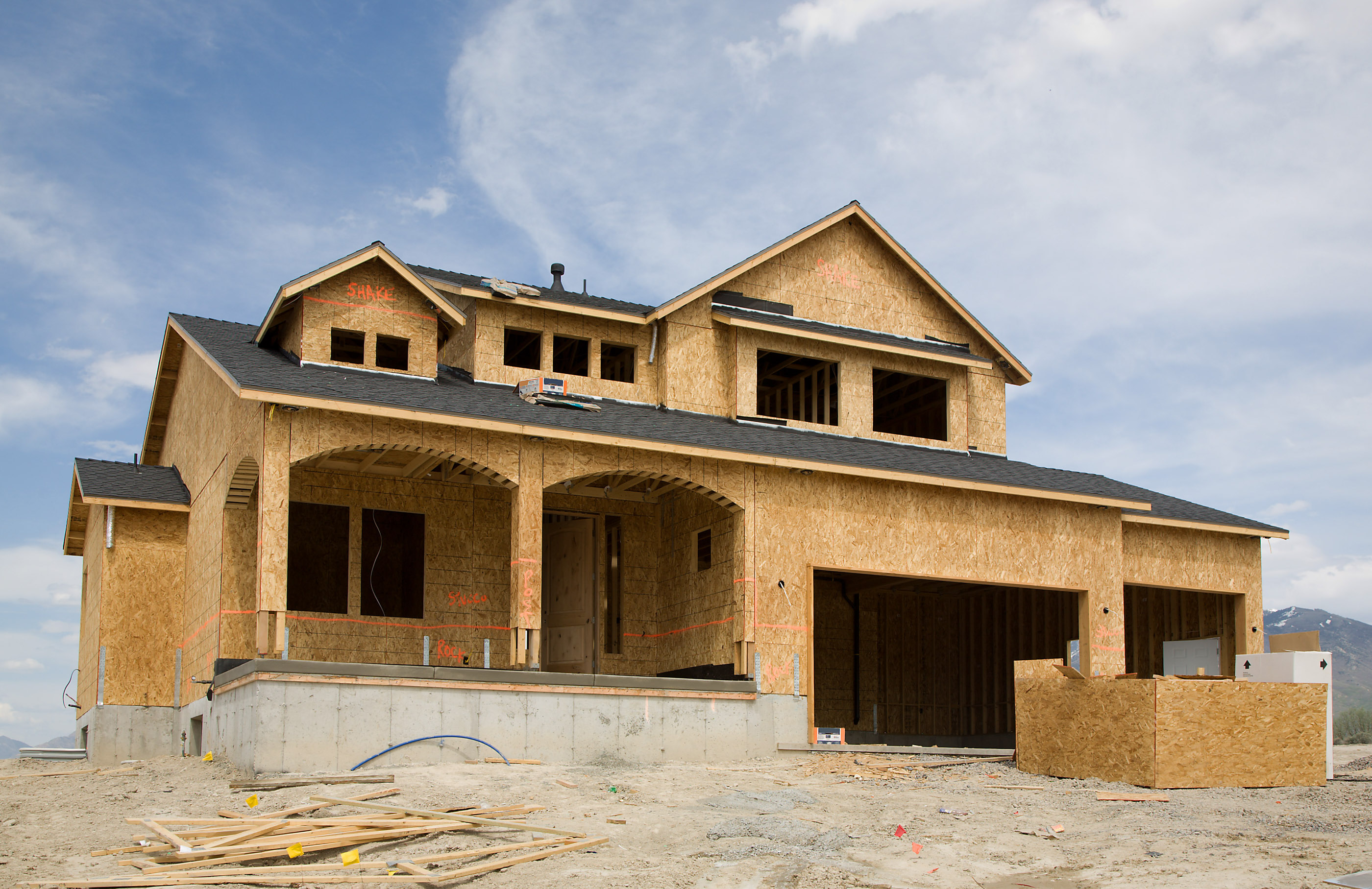
Homeowners near construction zones should prepare for temporary inconvenience while keeping focus on long-term benefits completed projects deliver. Similar temporary disruption accompanies major home improvement projects, whether substantial additions, whole-house renovations, or custom home construction. Understanding that quality results require accepting temporary disruption helps homeowners maintain perspective during construction phases whether they're municipal streetscape projects or private residential improvements.
Mission Avenue's streetscape transformation and Old Town's Opportunity Zone development represent significant investments in Bellevue's historic core. These coordinated initiatives demonstrate municipal commitment to revitalizing existing neighborhoods rather than focusing exclusively on greenfield development. Homeowners in Old Town and surrounding areas should monitor project progress, attend public meetings about development proposals, and consider how their properties can contribute to and benefit from neighborhood transformation. Learn more about Old Town development initiatives at the city's website. For homeowners ready to invest in properties benefiting from neighborhood revitalization momentum, contact experienced contractors who understand how to design residential improvements complementing rather than conflicting with emerging neighborhood character in Bellevue's evolving urban core.